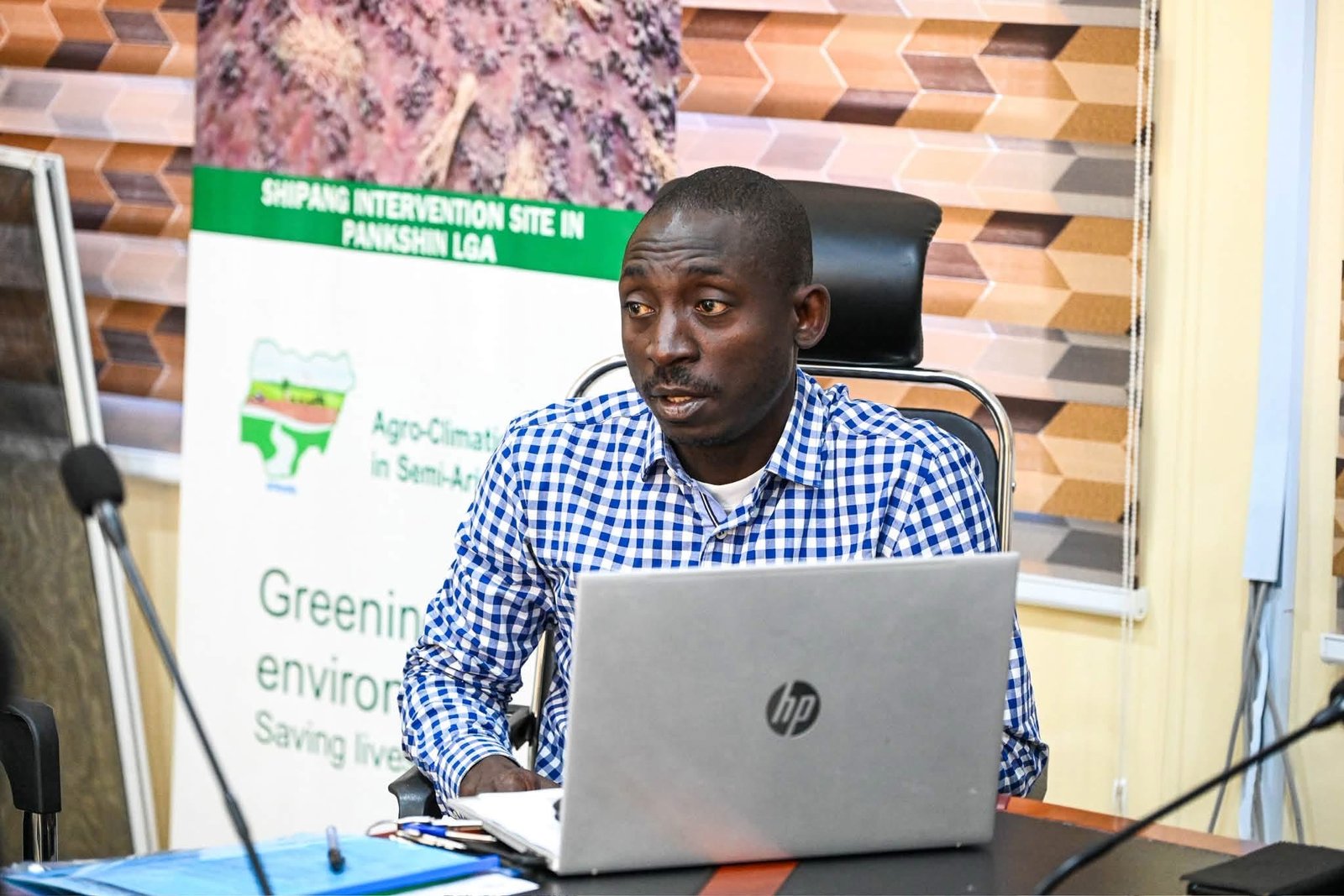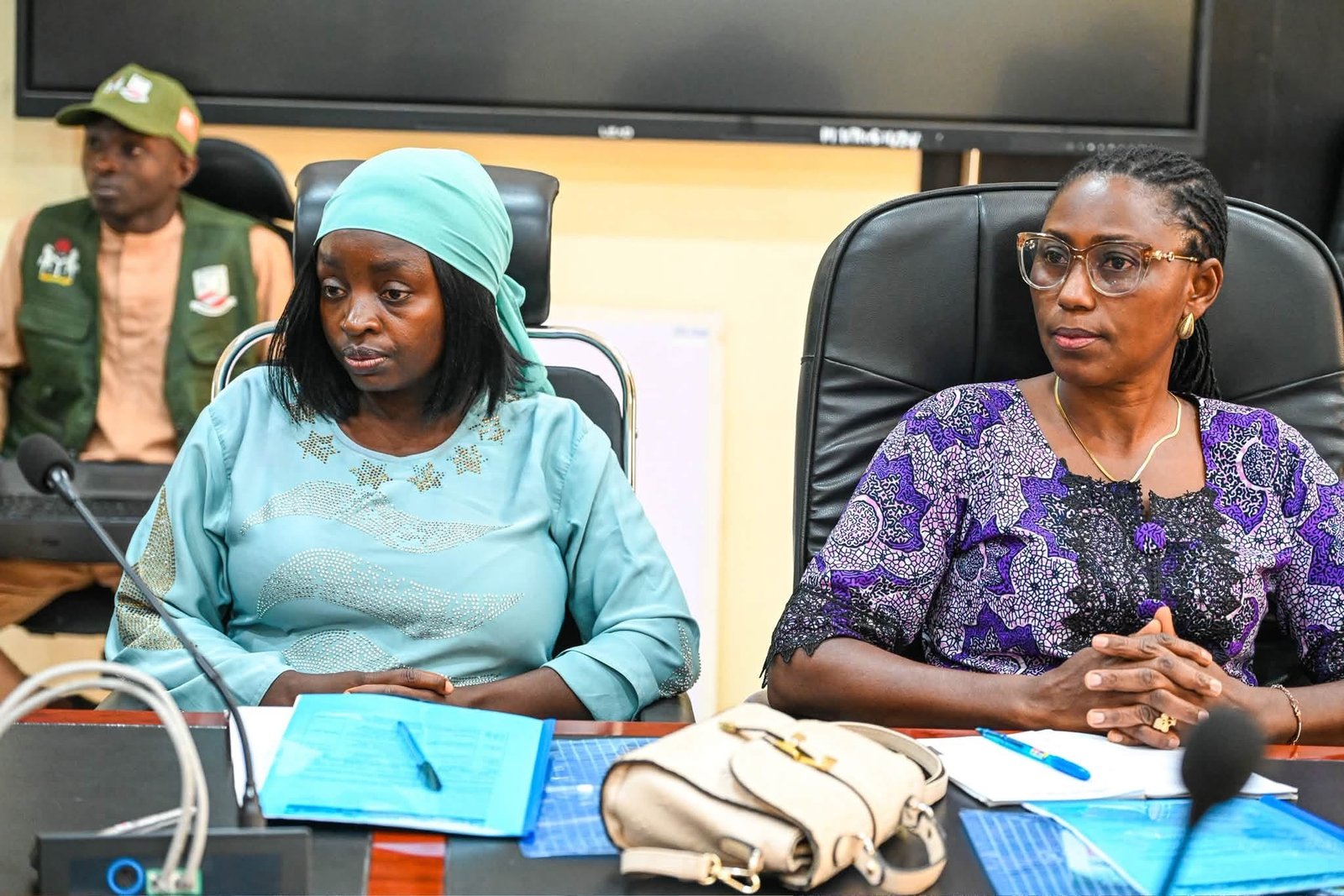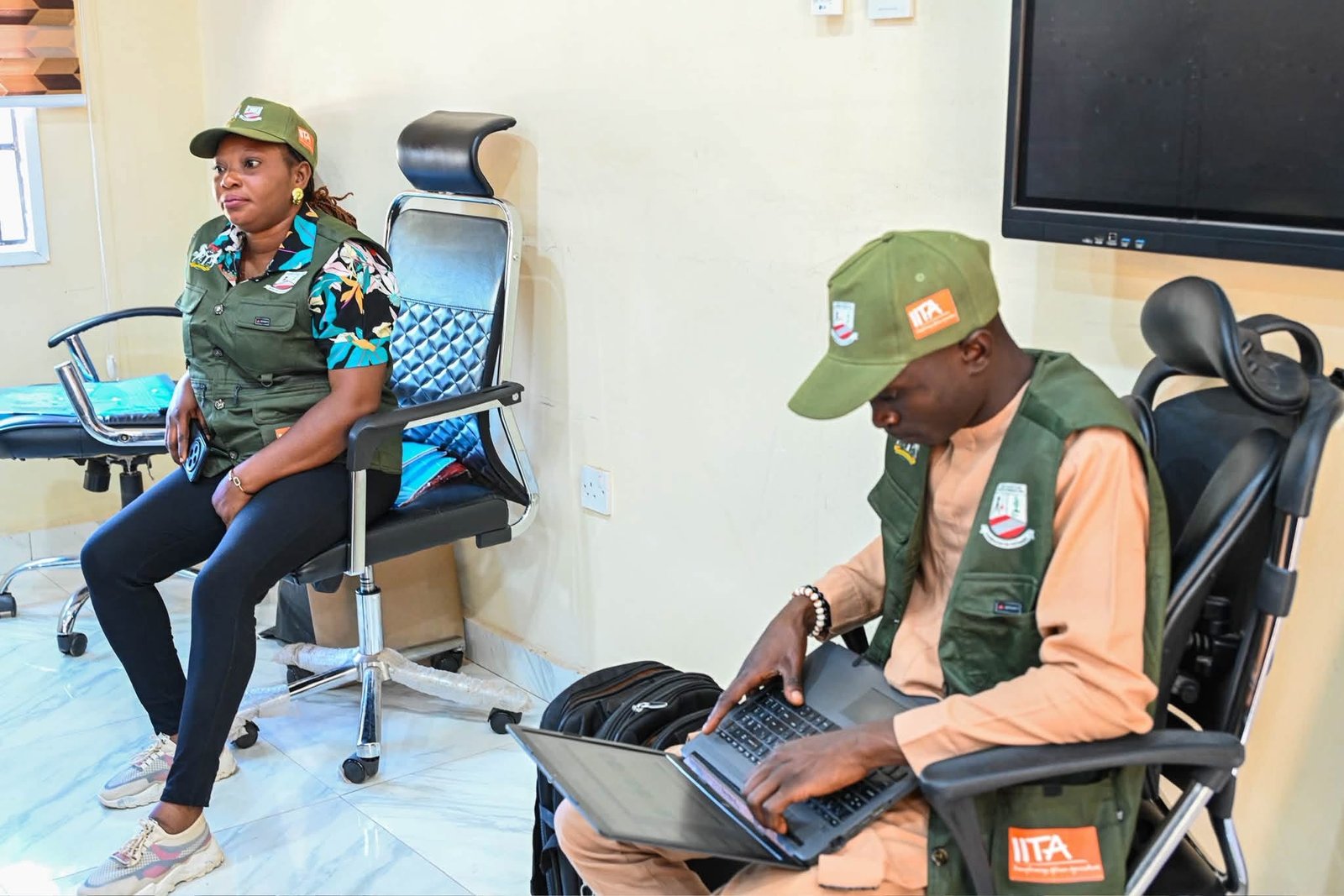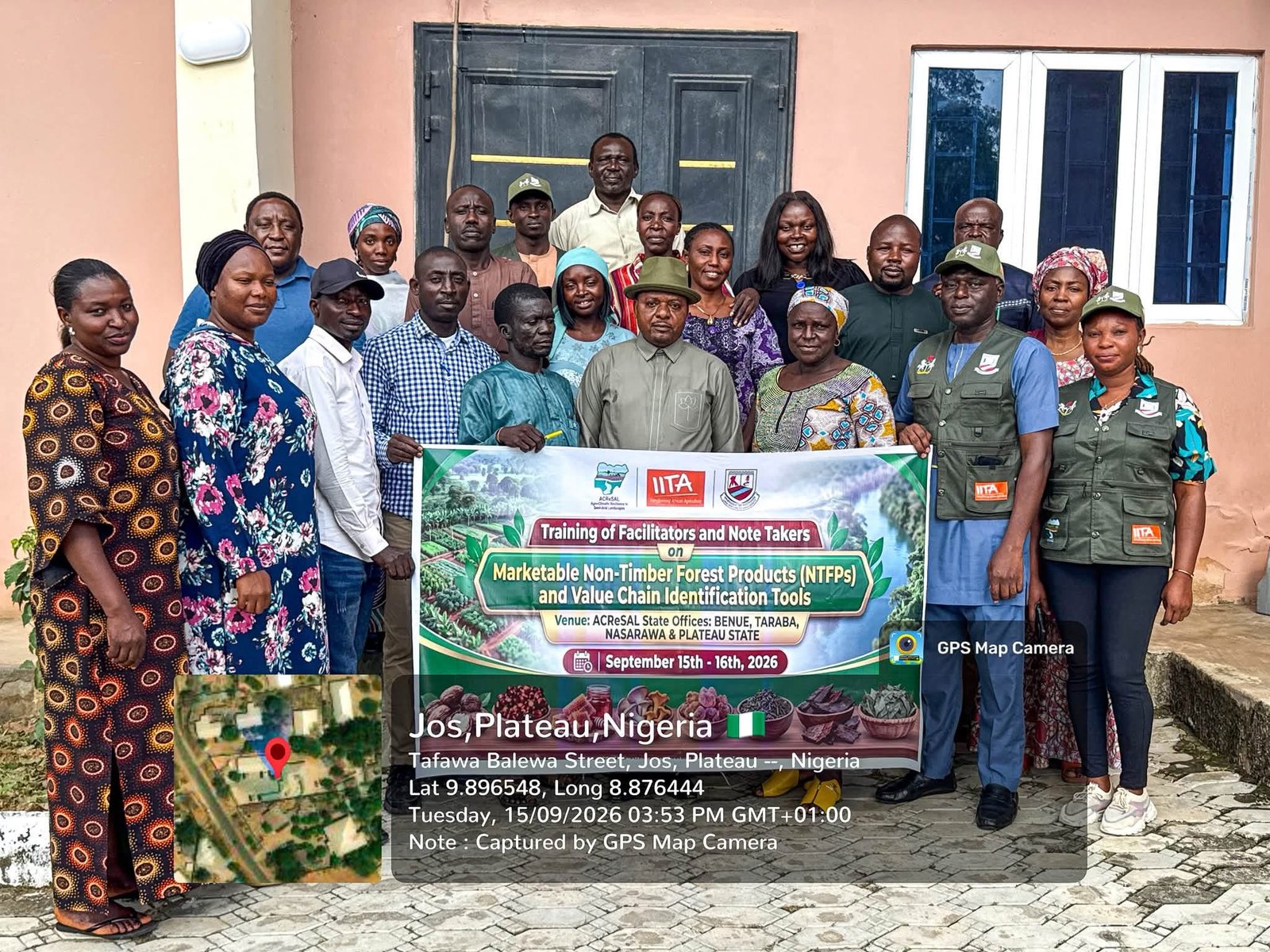
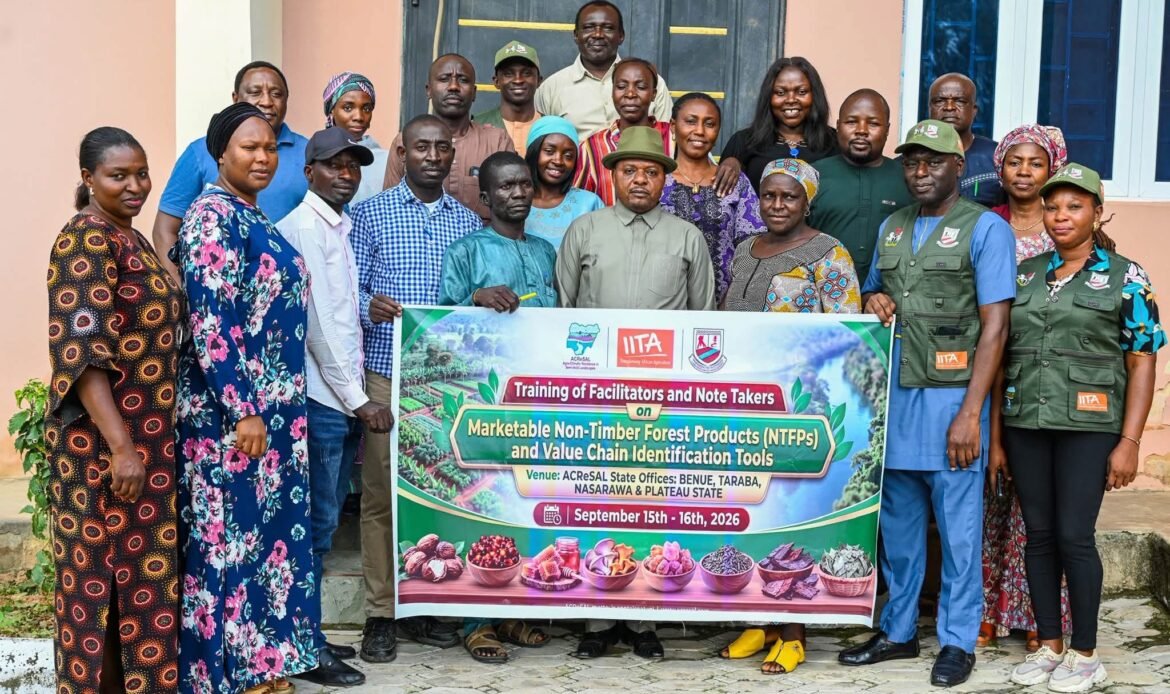
In a bid to boost rural livelihoods and promote sustainable forest management, the International Institute of Tropical Agriculture (IITA), in collaboration with the Agro-Climatic Resilience in Semi-Arid Landscapes (ACReSAL) Project and the Federal College of Forestry, Jos (FECOLART), has trained facilitators and note takers on Marketable Non-Timber Forest Products (NTFPs) and Value Chain Identification Tools.
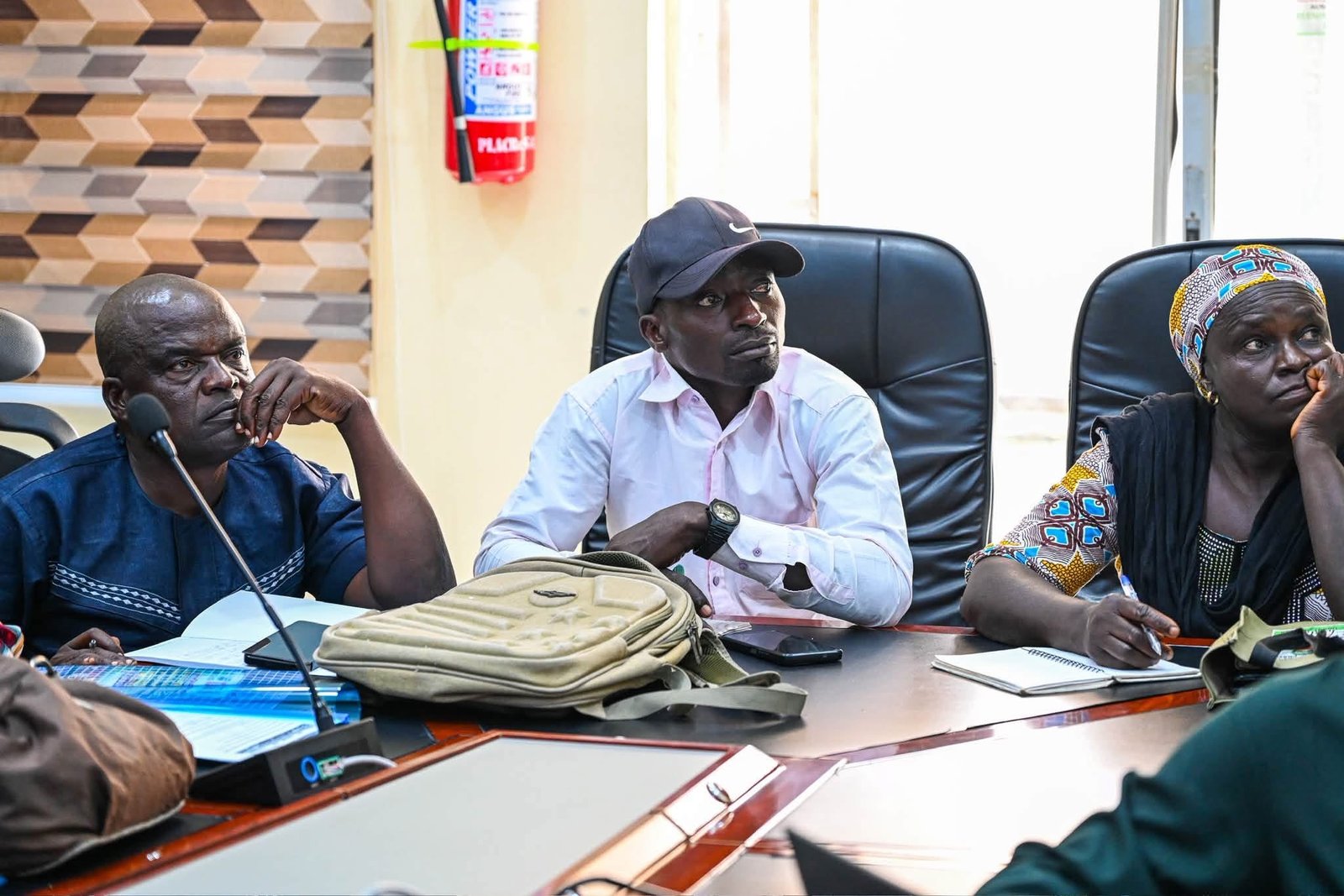
The training held at the Plateau State ACReSAL Project Conference Hall in Jos brought together facilitators drawn from across the state, community mobilization officers and project staff.
The training focused on identifying, developing and commercializing viable non-timber forest products such as honey, shea butter, moringa, baobab, locust beans, mushrooms and medicinal plants. Participants were exposed to practical tools for market analysis, value chain mapping, product selection, and profitability assessment to enable communities harness economic benefits from forest resources without degrading the forest.
Speaking at the opening session, the Plateau State ACReSAL Project Coordinator, Mr. Garba Gowon Gonkol, said the training was strategic to the project’s mandate of restoring degraded landscapes while improving community livelihoods.
“ACReSAL is not just about planting trees. It is about making the forests valuable to the people so that they will protect them. If communities can earn sustainable income from non-timber products, they will become champions of forest conservation,” he said.
Lead facilitators representing IITA Ibrahim Bwala explained that the Value Chain Identification Tools will help communities move beyond subsistence collection to structured, market-driven enterprises. The methodology includes community engagement, product prioritization, market survey, business planning and linkage to finance and markets.
According to them, the training of facilitators and note takers is the first step towards a statewide survey and inventory of marketable NTFPs across the 17 Local Government Areas of Plateau State.
Participants described the training as eye-opening, noting that many valuable forest resources are underutilized due to lack of market knowledge and processing skills.
The trained facilitators are expected to proceed to communities to conduct focus group discussions, market assessments and documentation of NTFPs with high commercial potential.
The exercise is part of the ACReSAL Project’s Component B which focuses on Community Climate Resilience, implemented in partnership with technical institutions like IITA and FECOLART to ensure scientific and sustainable approaches to landscape restoration.