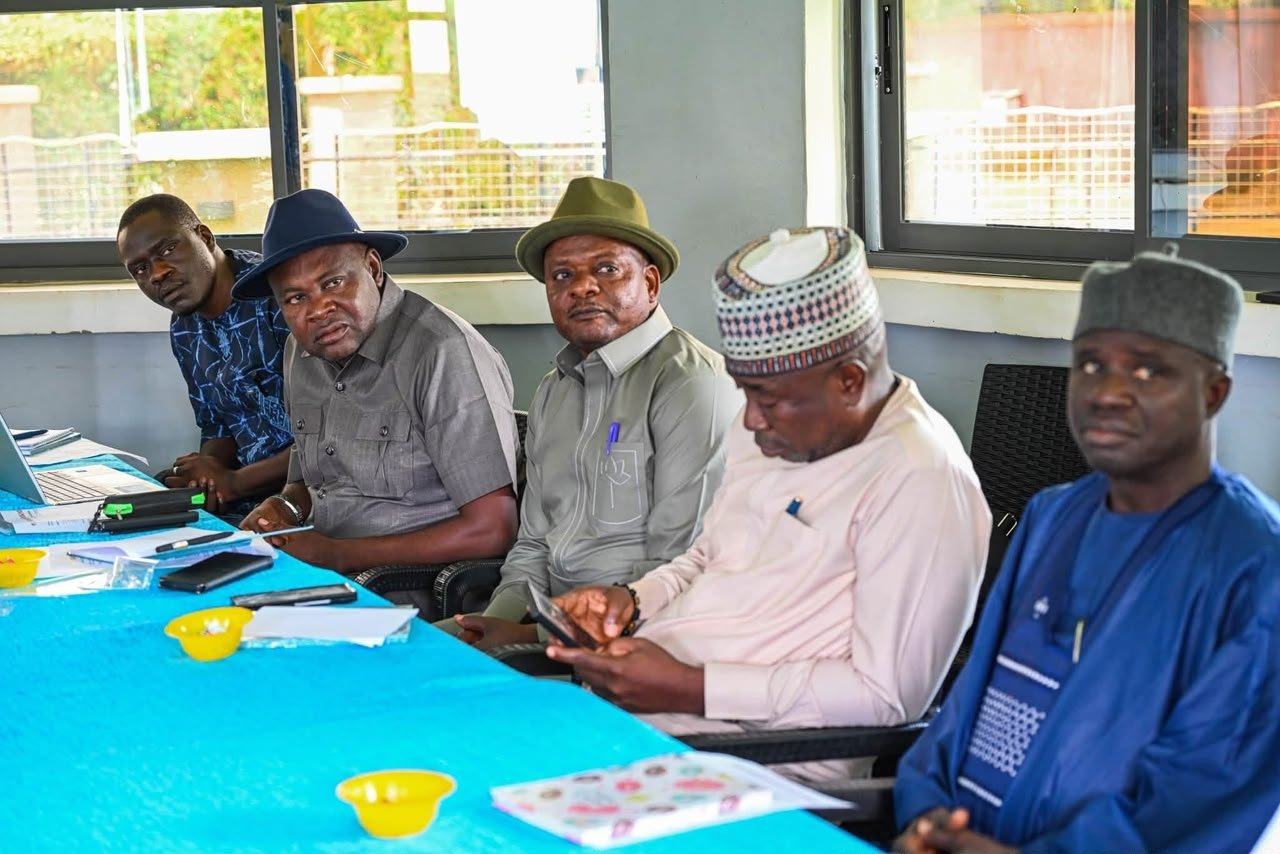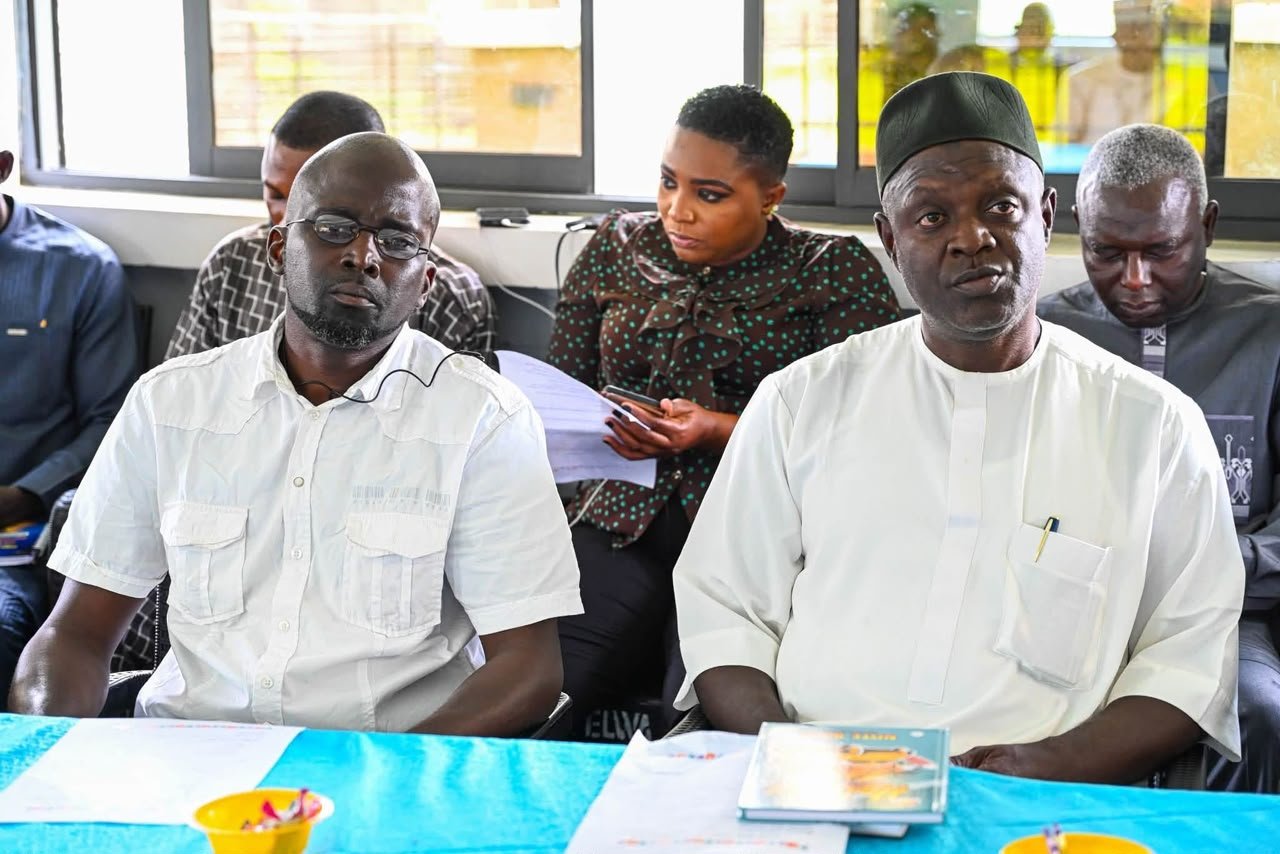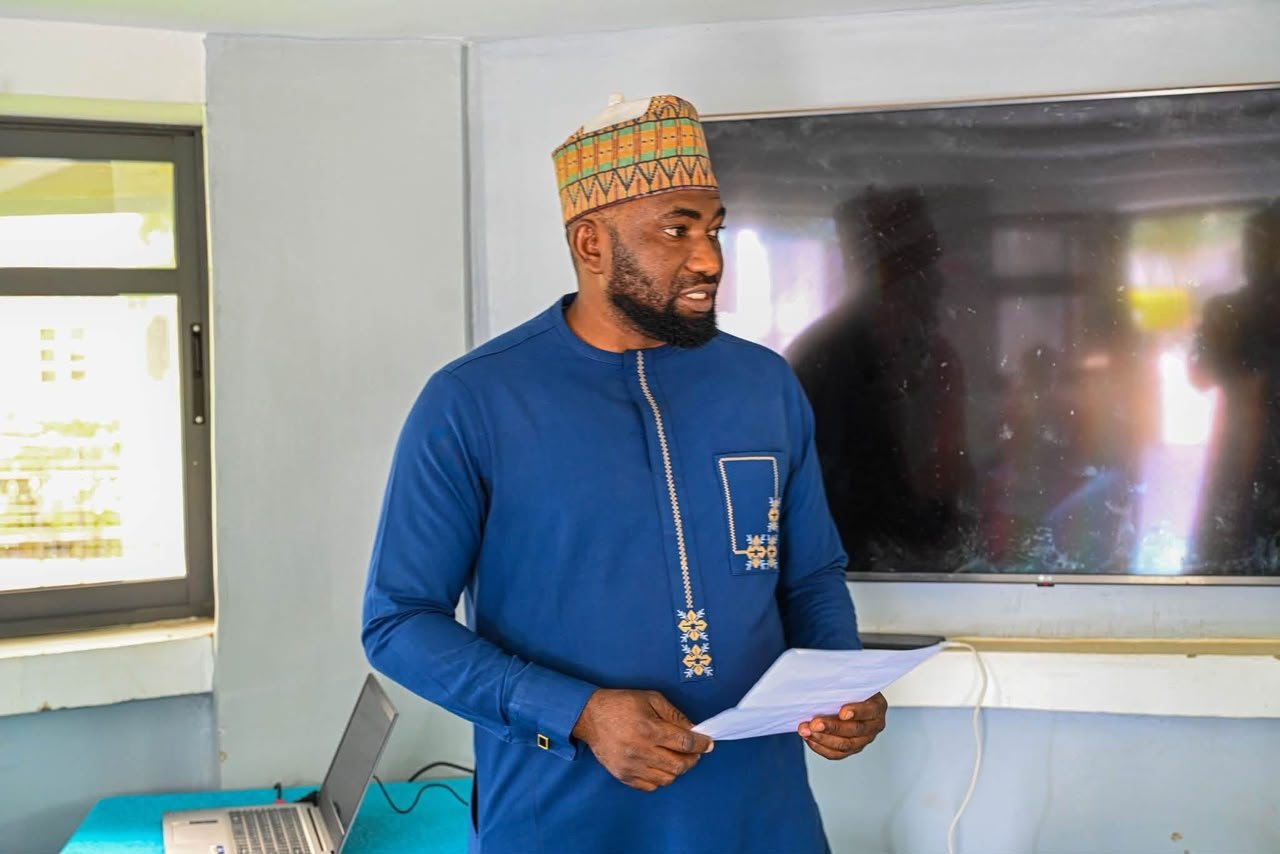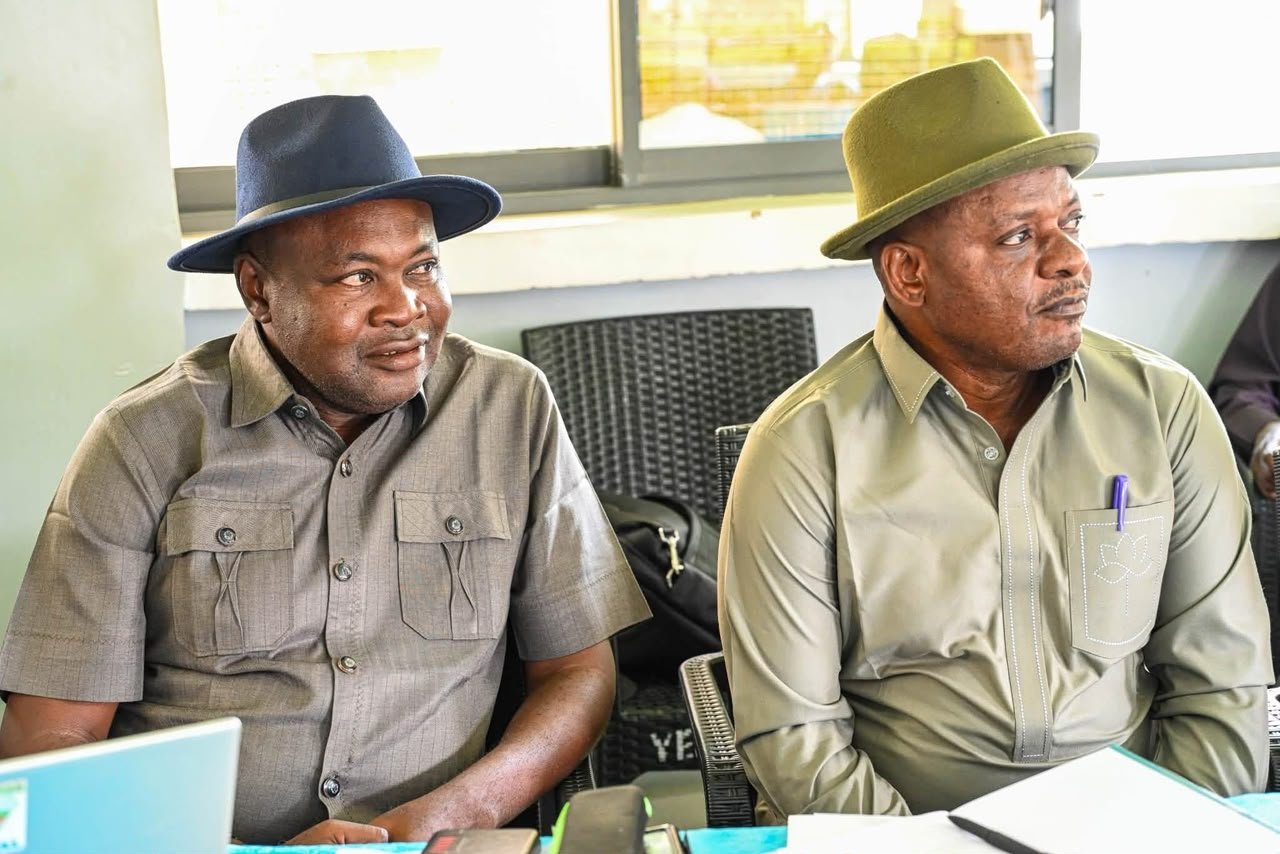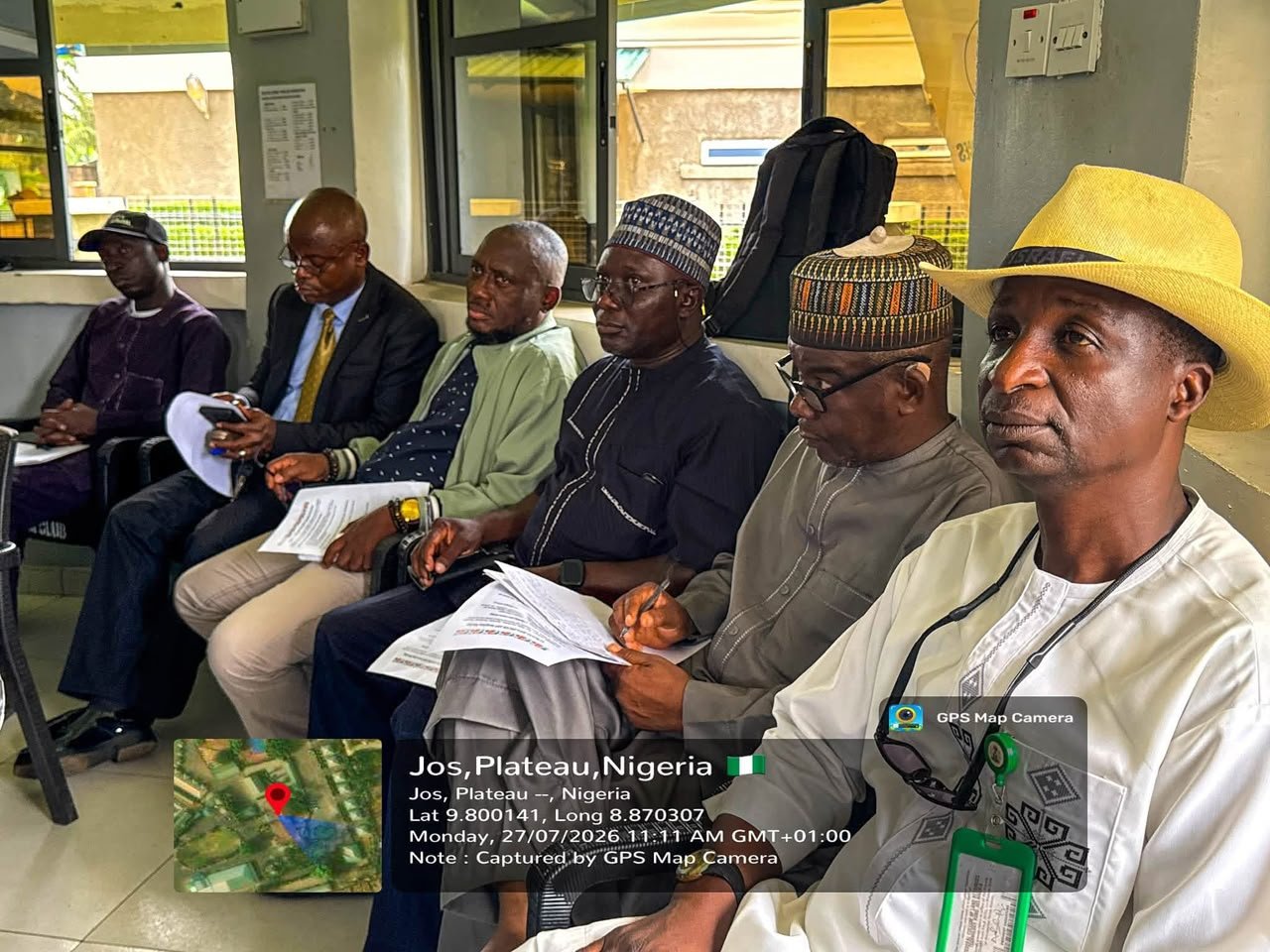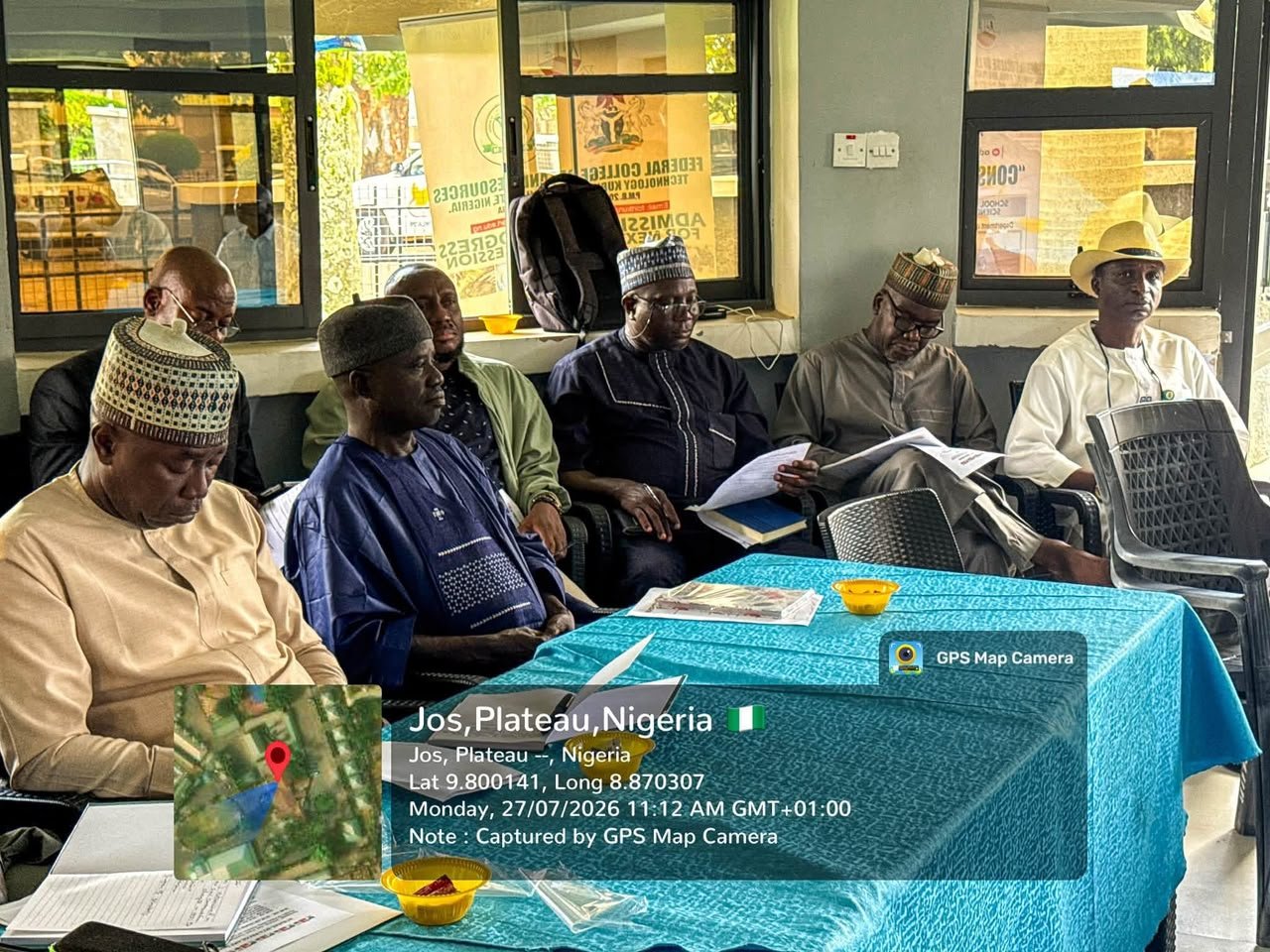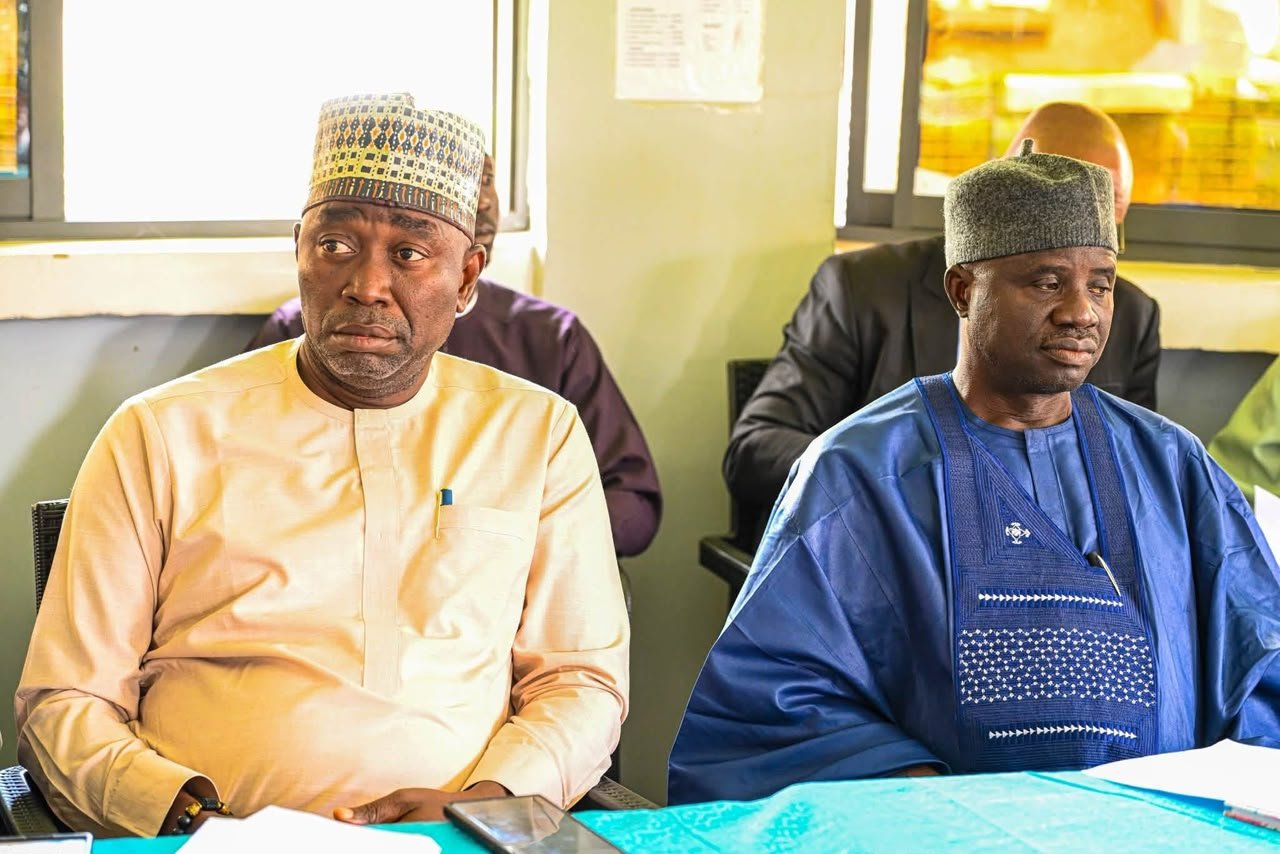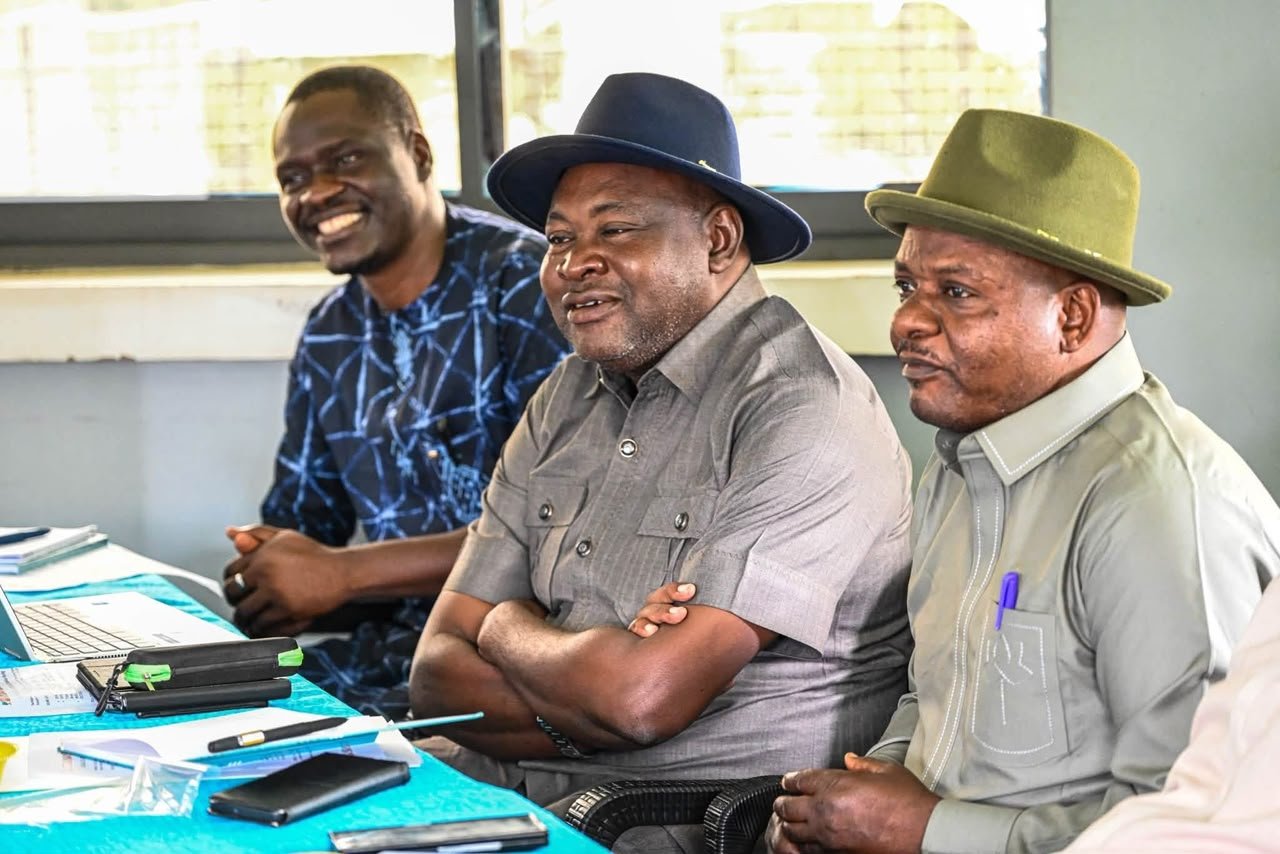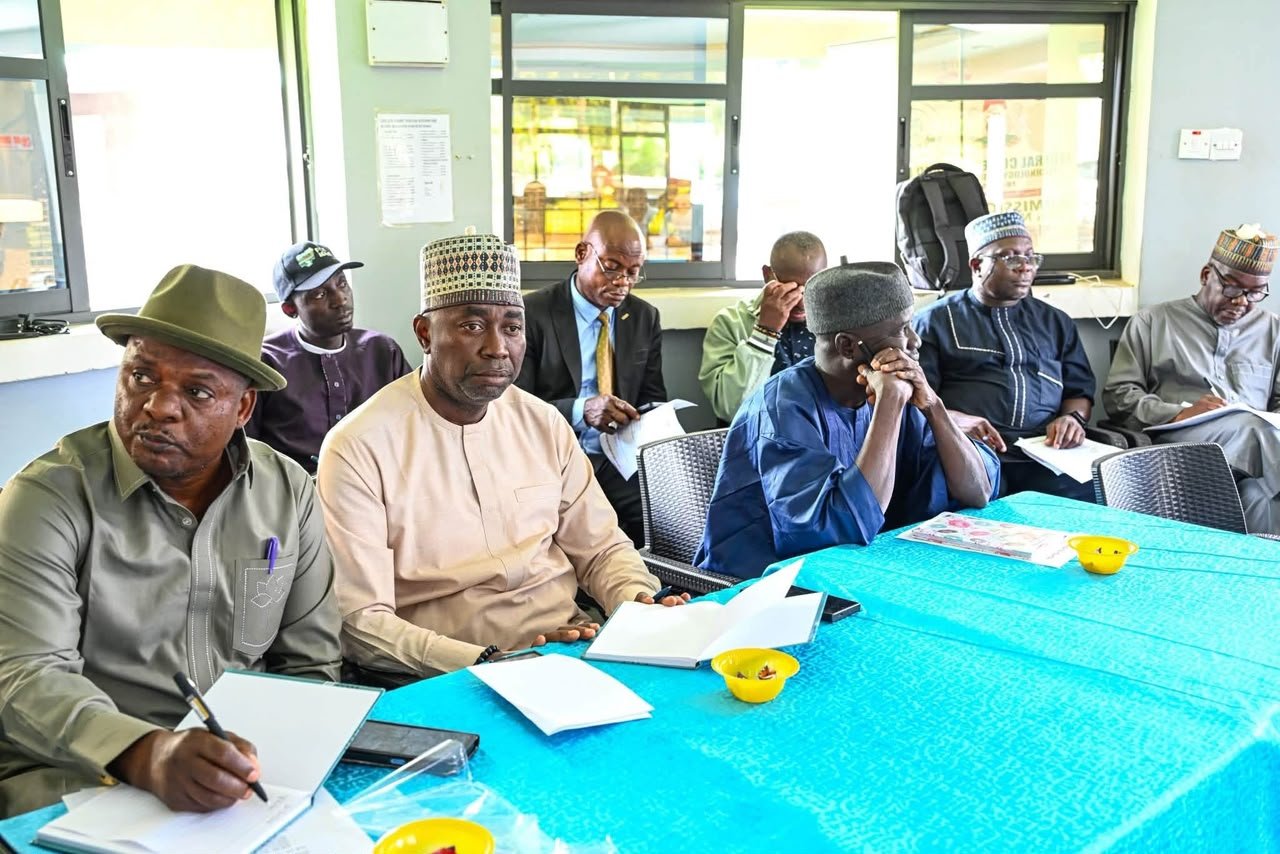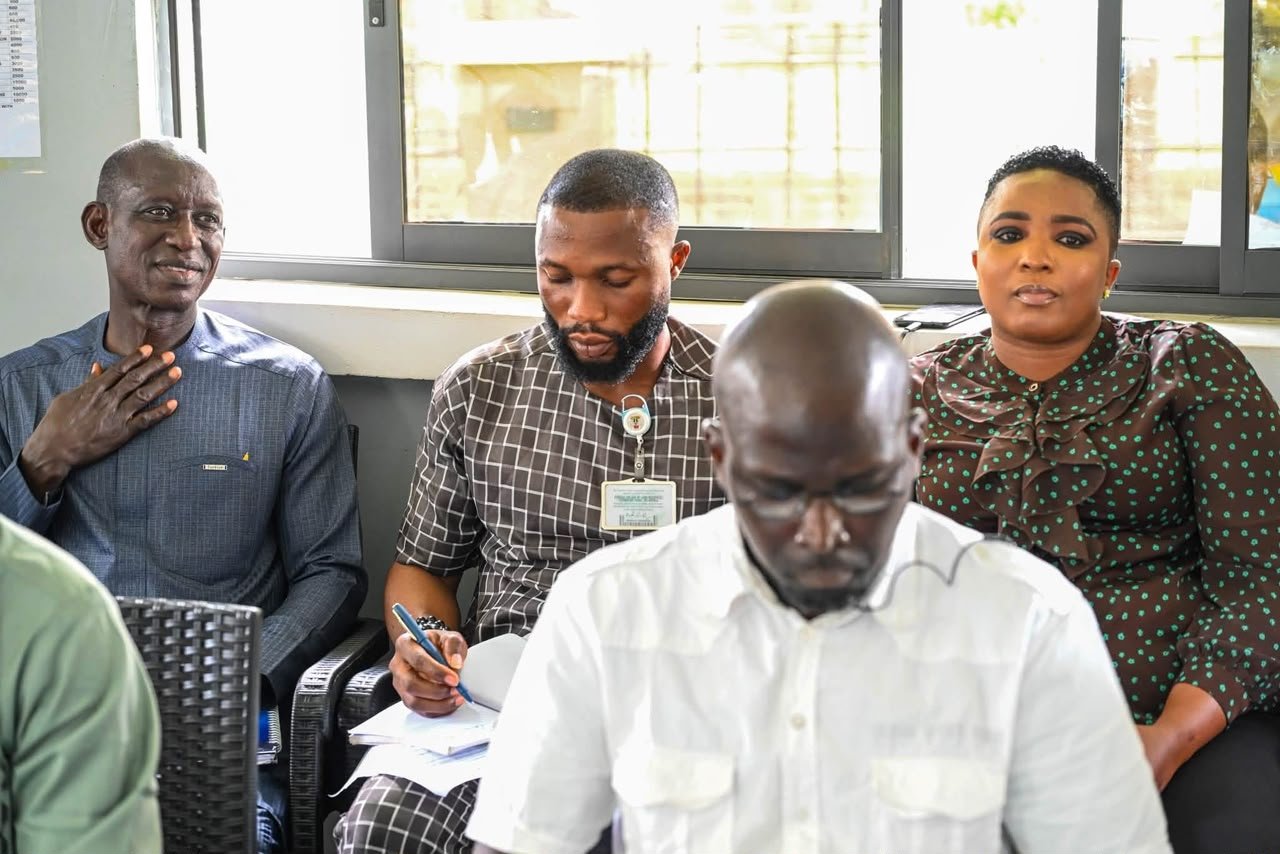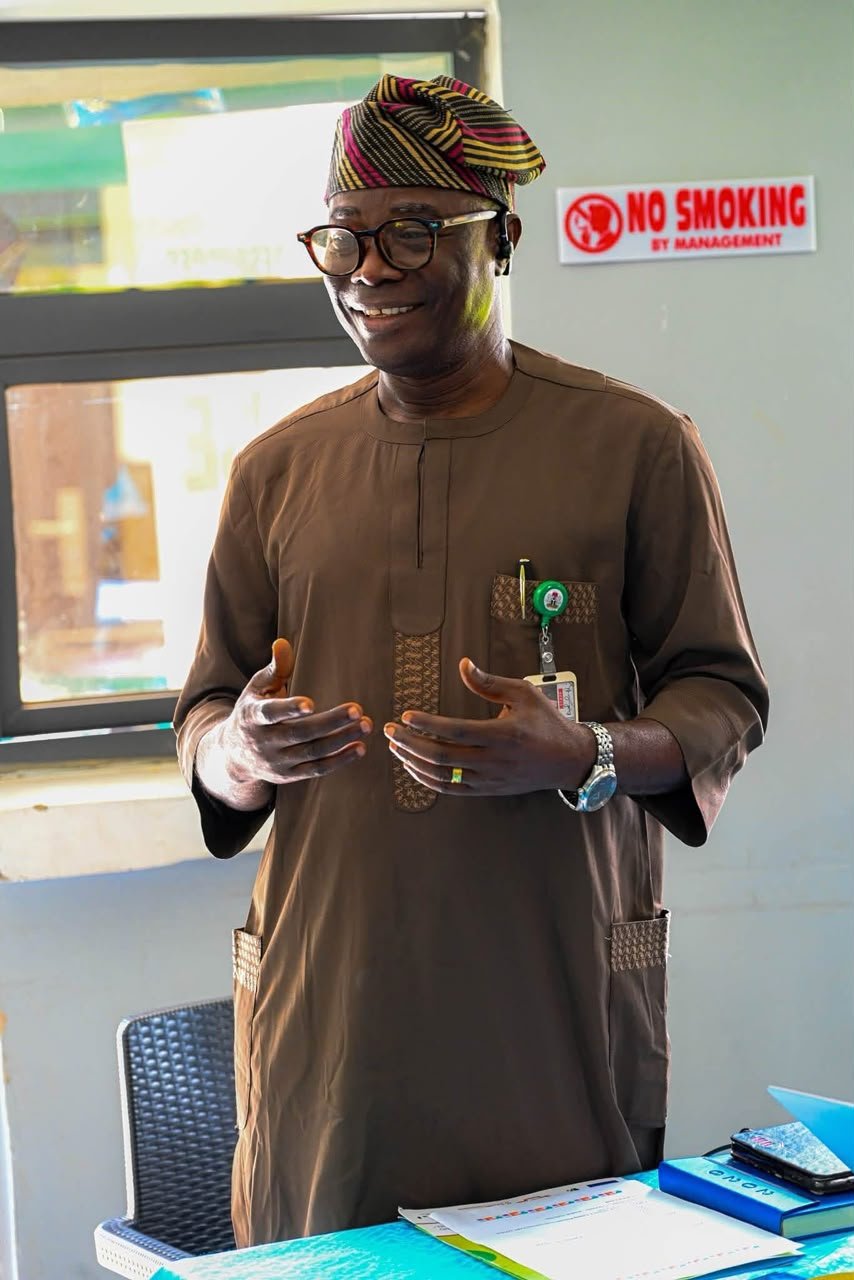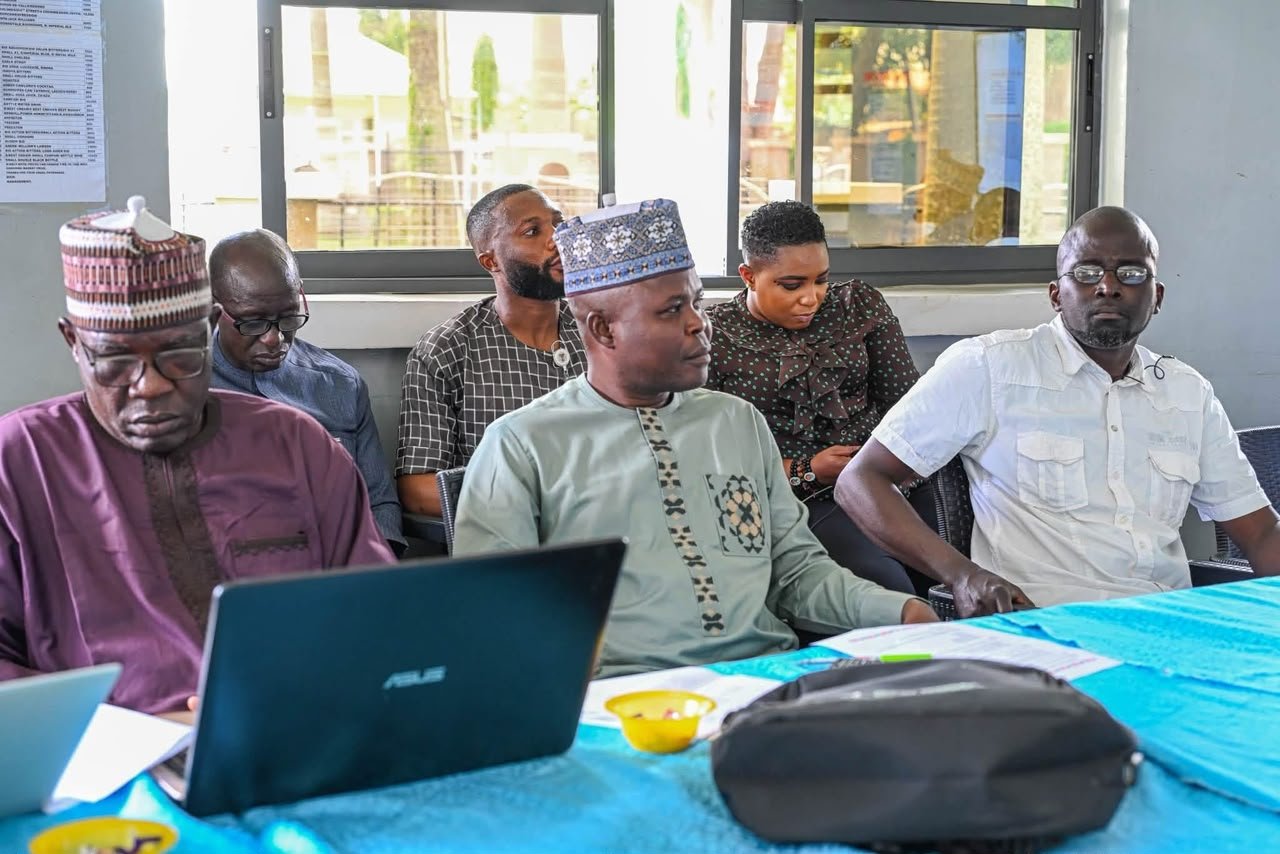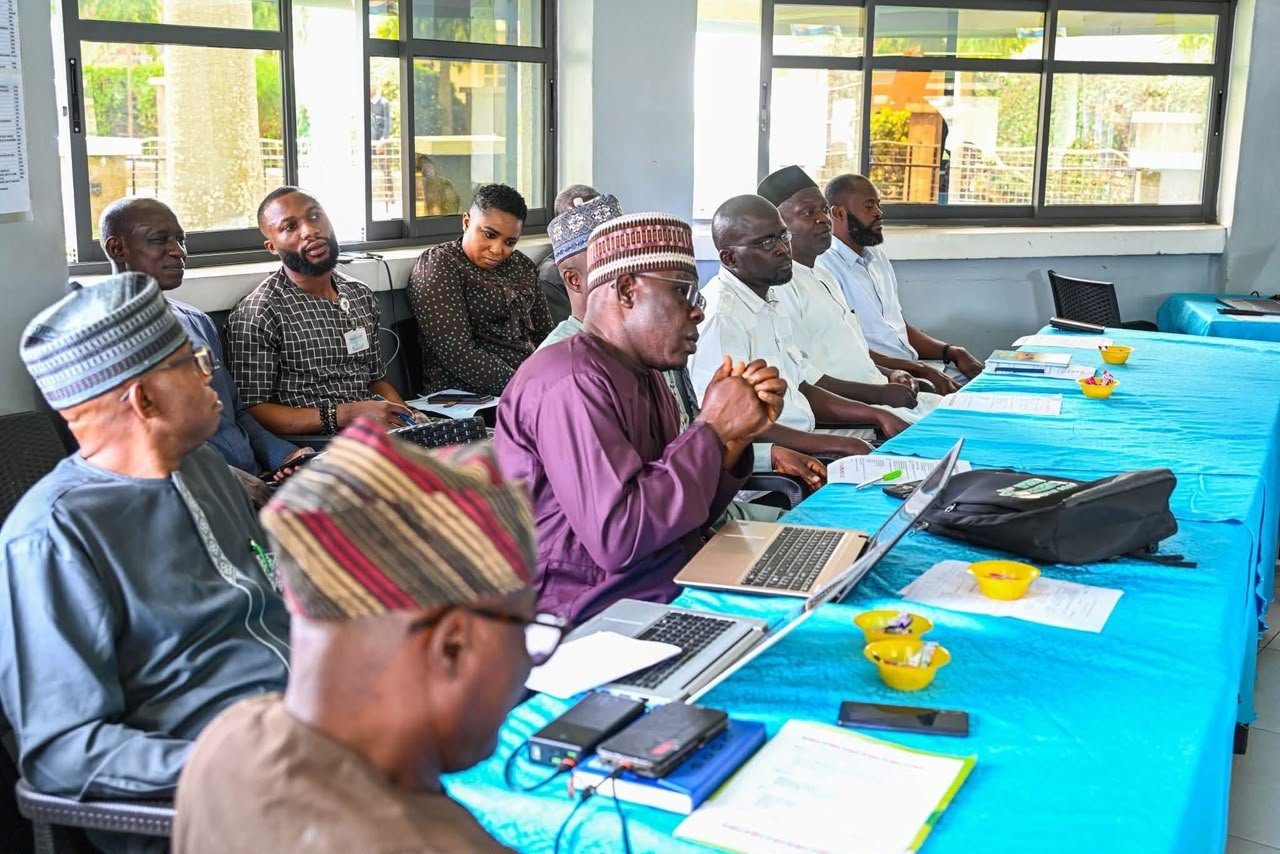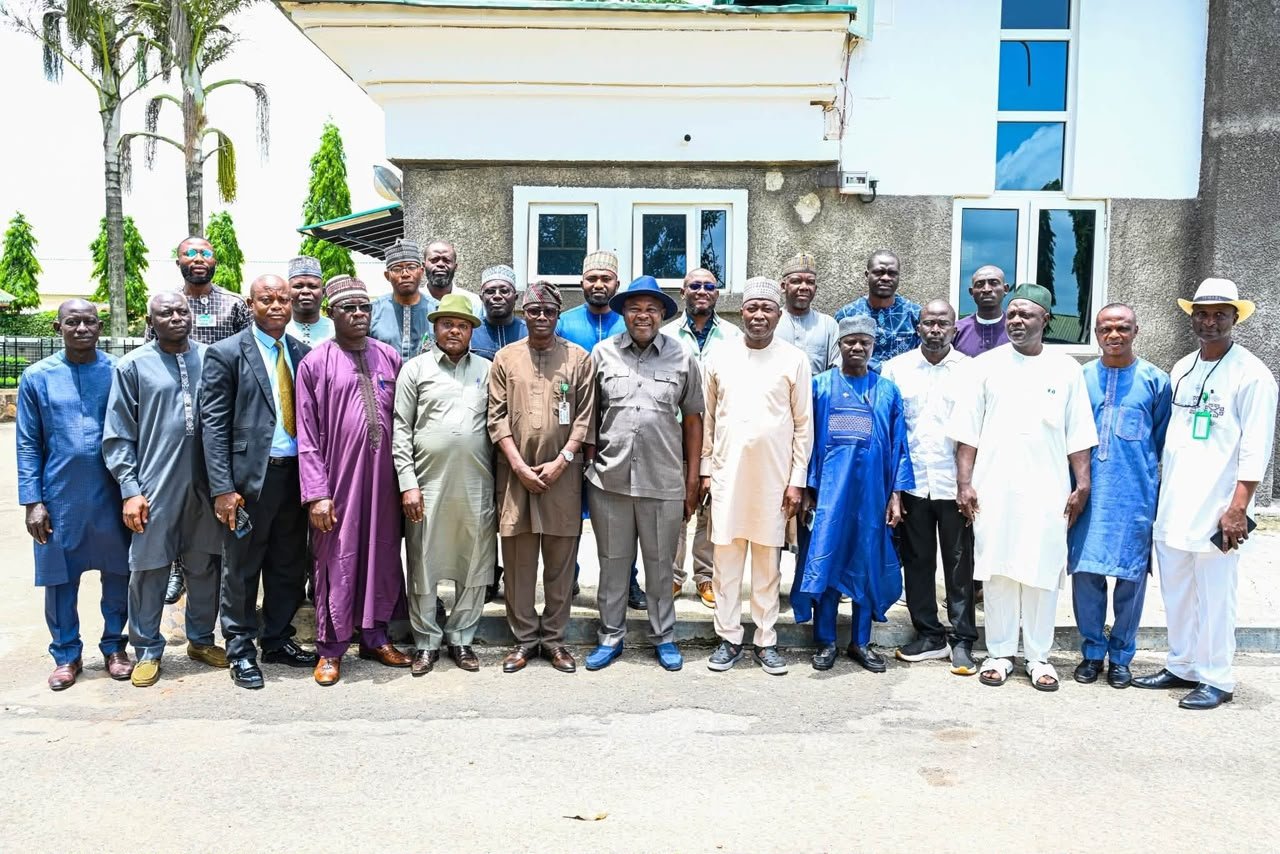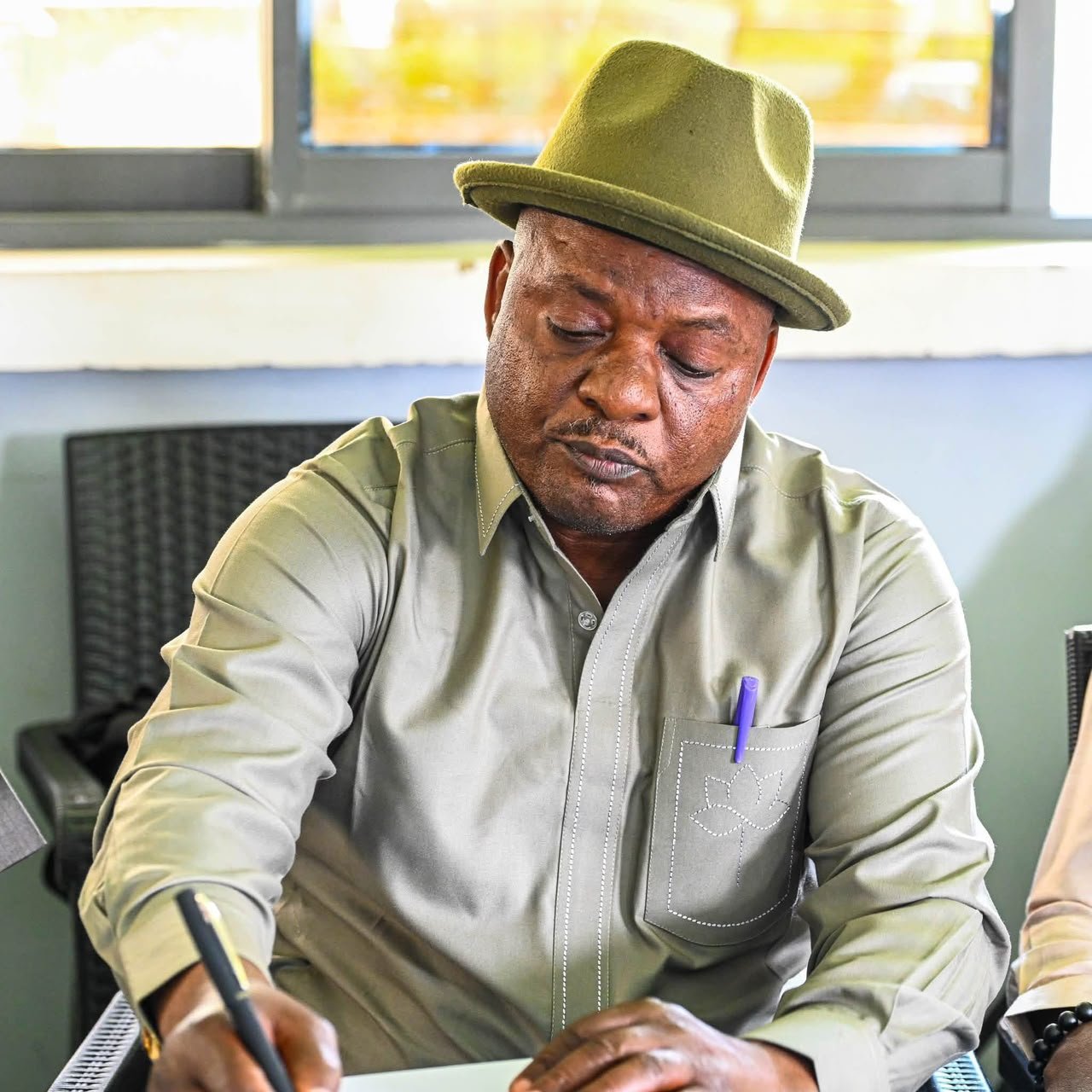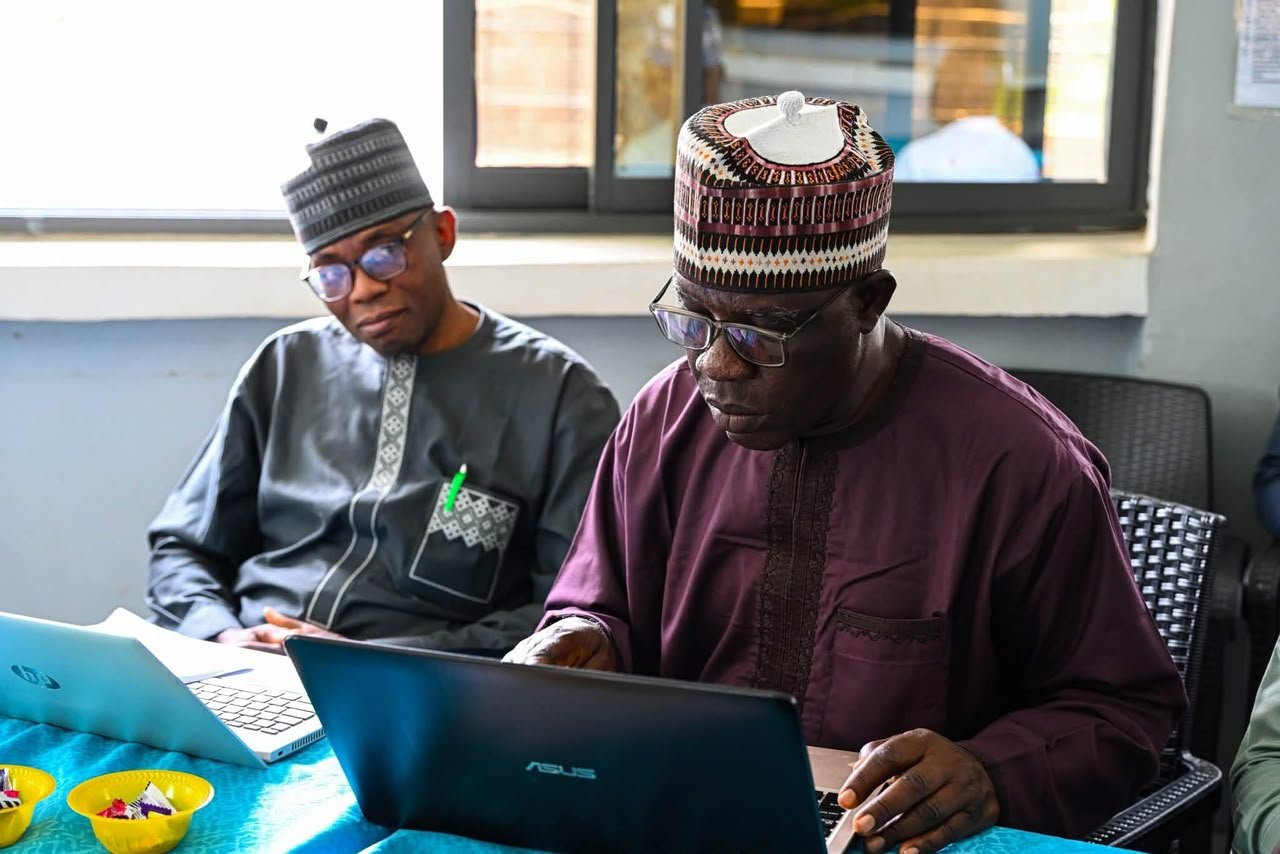
Strengthening partnerships remains at the heart of delivering sustainable solutions for landscape restoration and climate-smart agriculture. Today’s engagement brought together leading research institutions, technical partners, and project implementers to harmonize implementation strategies and define clear pathways for delivering transformative interventions that will improve soil health, restore degraded landscapes, enhance agricultural productivity, and strengthen climate resilience across Plateau State.
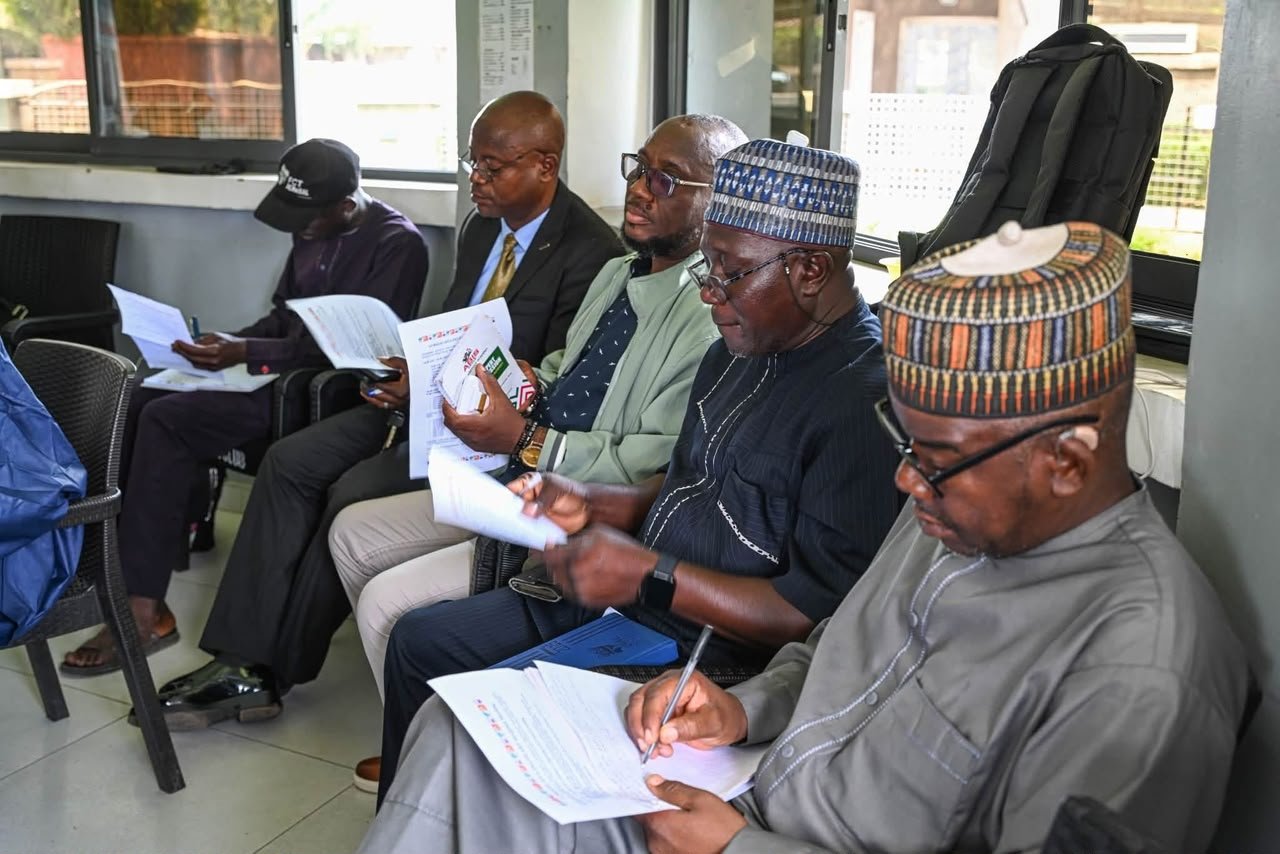
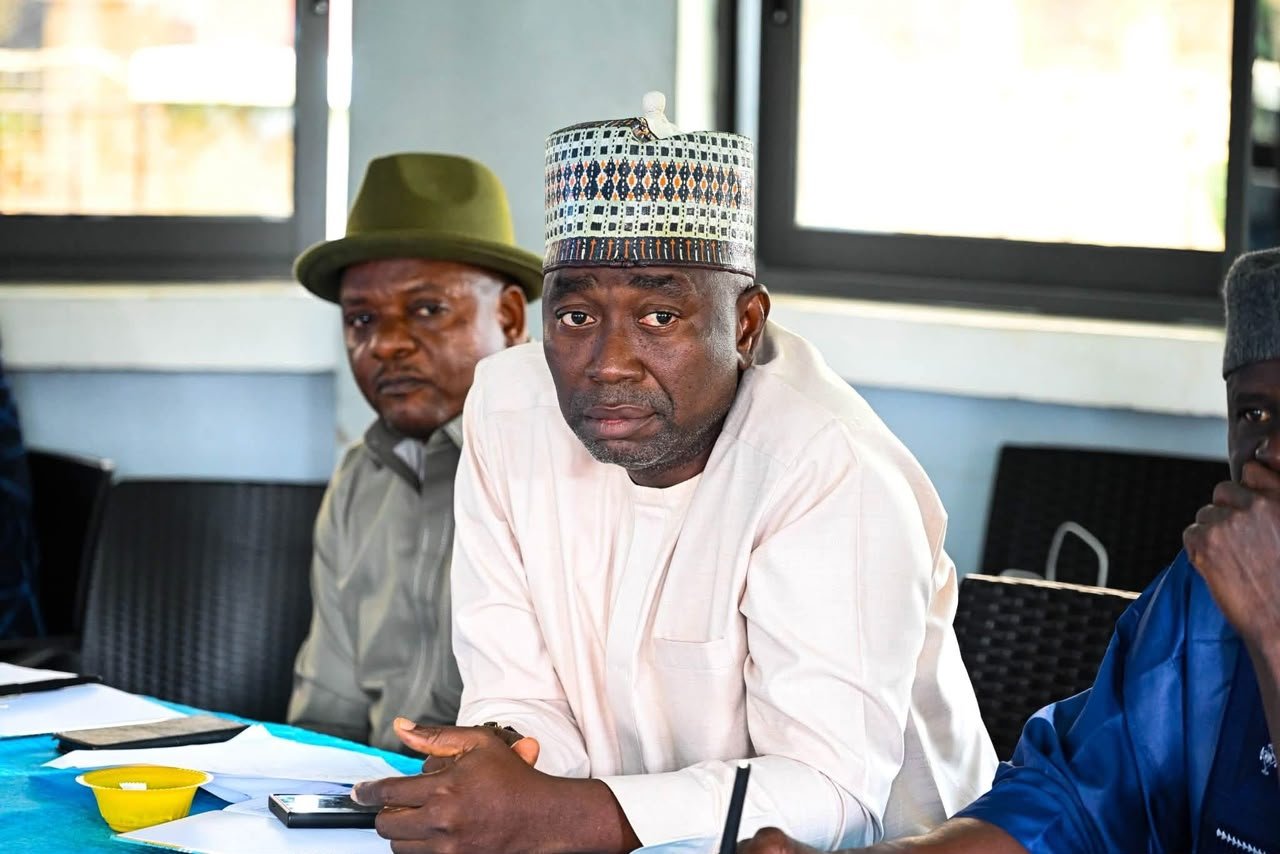
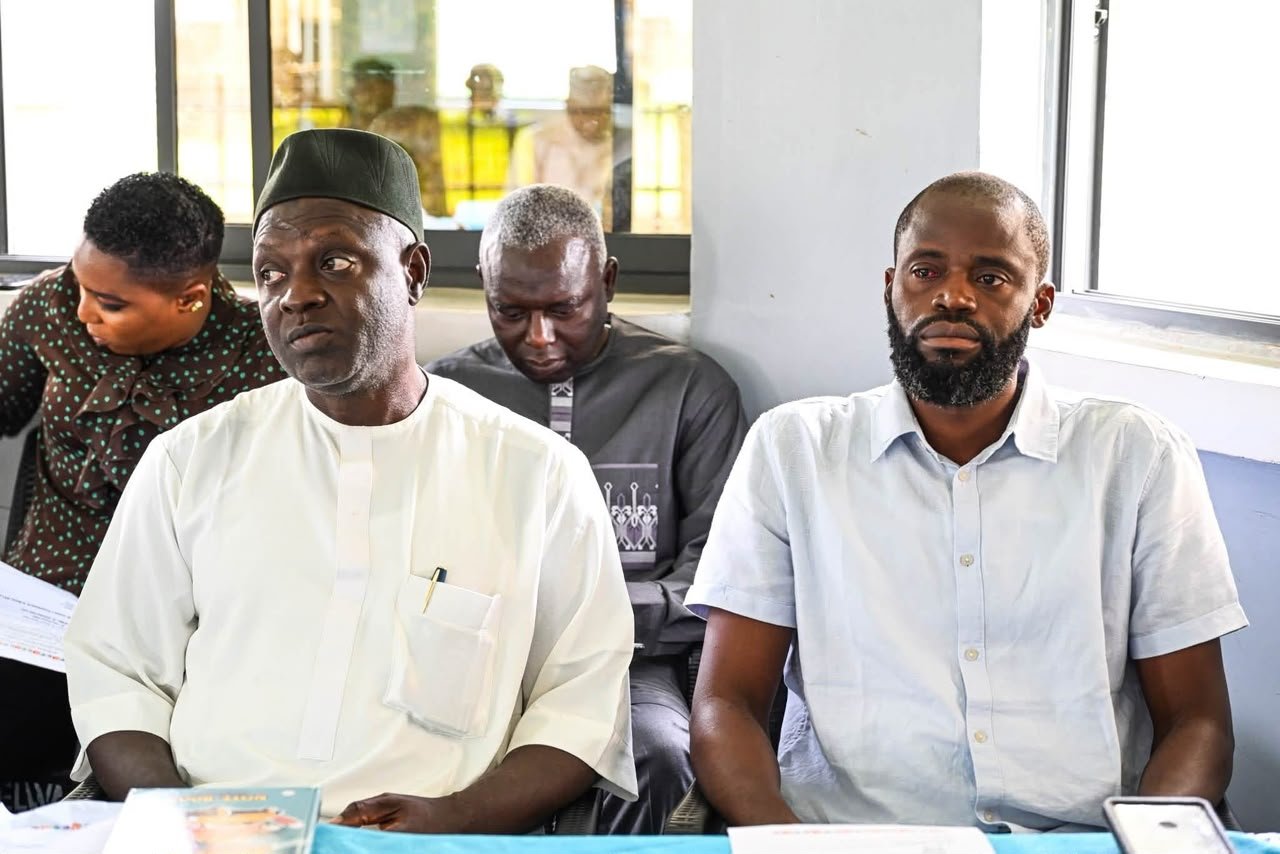
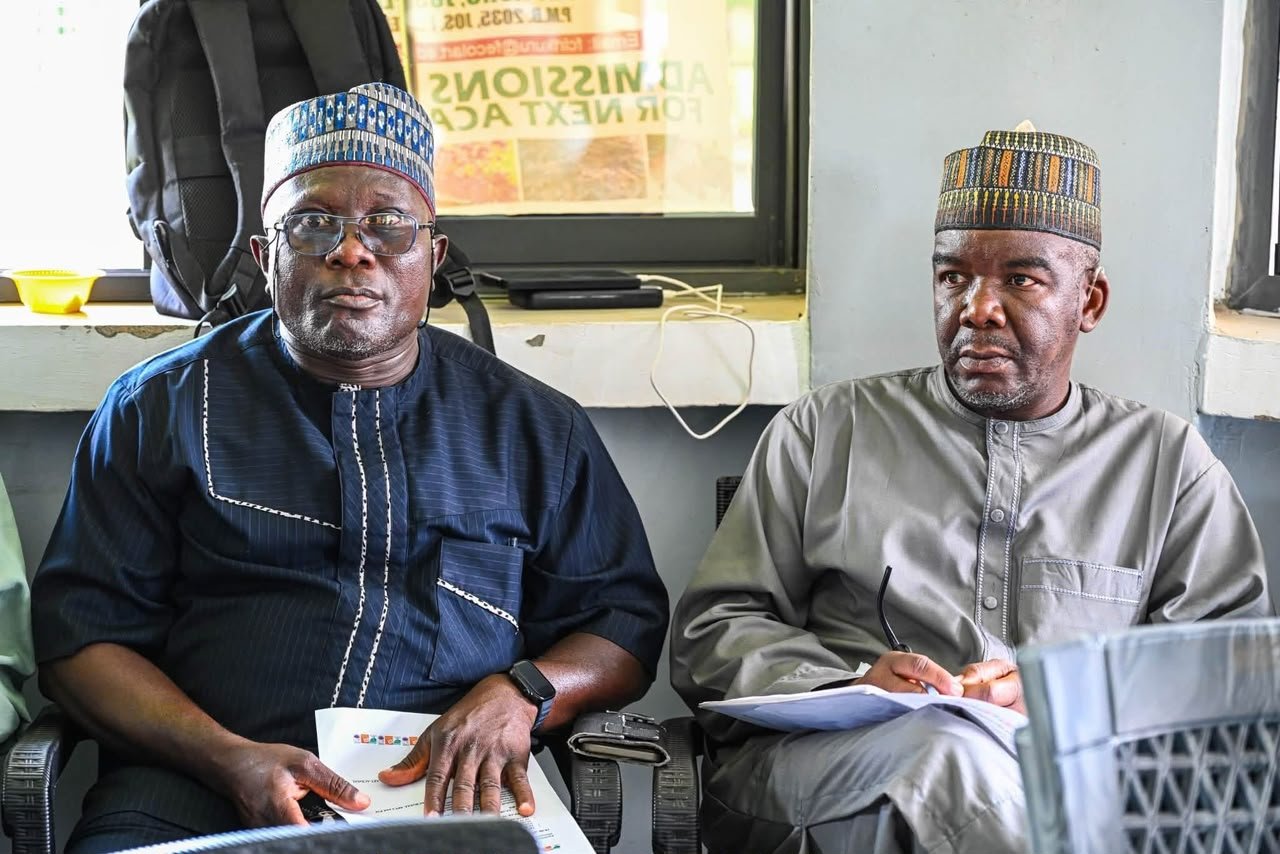
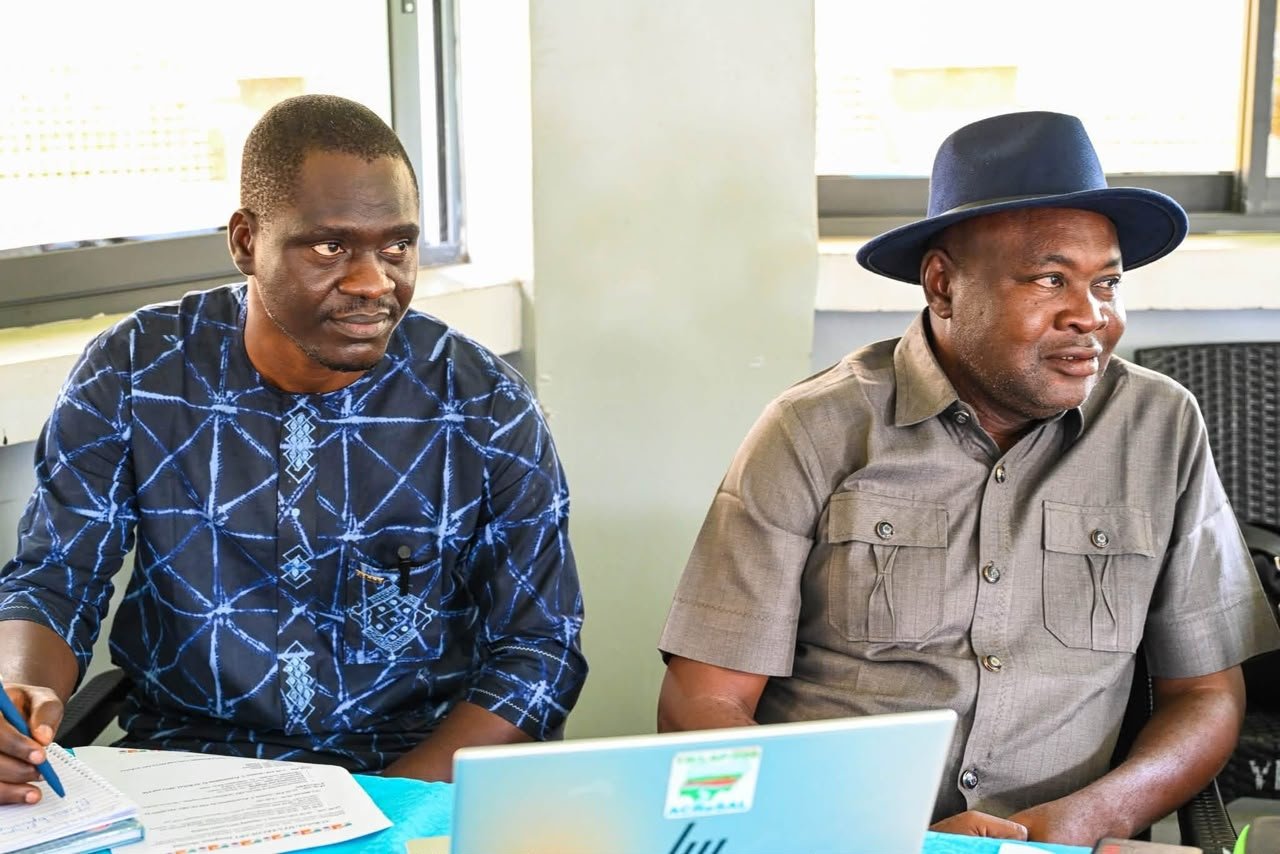
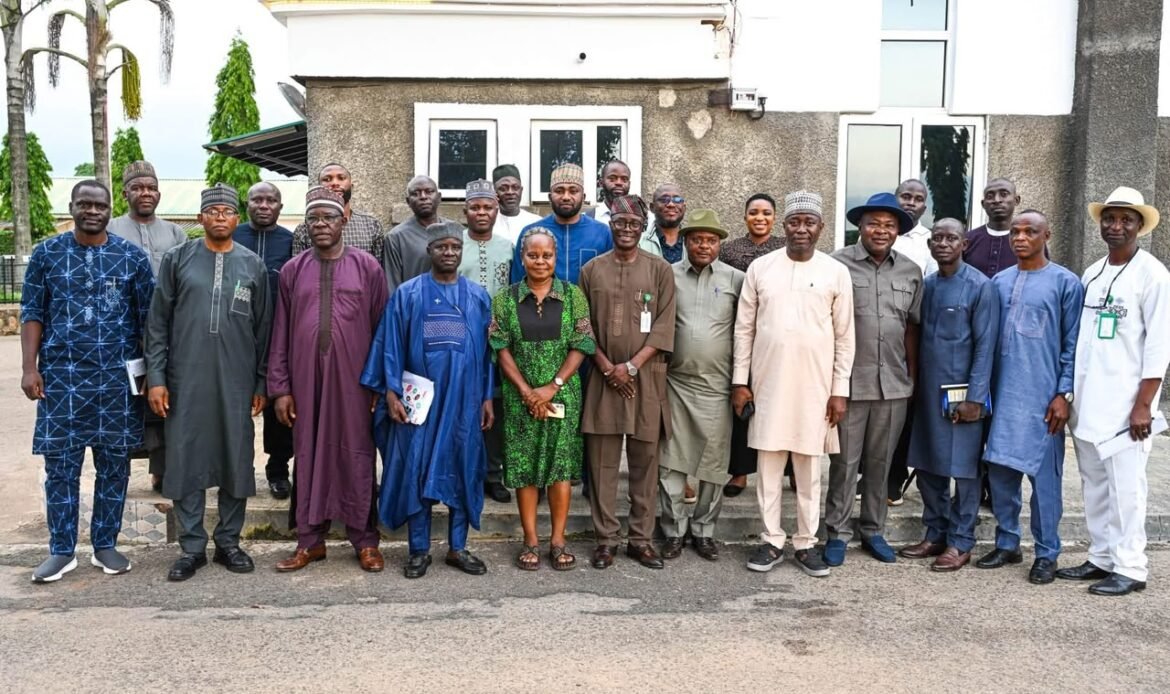
The meeting, held at Yelwa Club, Jos, convened State Project Coordinators (SPCs) of the ACReSAL Project from Plateau, Benue, Nasarawa, and Taraba States, Agricultural Programme Managers from Plateau, Benue, Nasarawa, and Taraba States, alongside technical experts from AfricaRice, the Centre for Dryland Agriculture (CDA), the Institute for Agricultural Research (IAR), the International Water Management Institute (IWMI), FECOLART, and other strategic stakeholders. The gathering provided a platform to strengthen regional collaboration, share technical expertise, and align implementation approaches for greater impact.
One of the major outcomes of the engagement was the commitment to establish model nurseries across Plateau State. These nurseries will serve as practical learning and demonstration centres for quality seedling production while supporting large-scale landscape restoration. They will also provide training on seed sourcing techniques, nursery establishment and management, crop evaluation, and seed marketing, ensuring that farmers, youth, women, and community groups acquire practical skills to sustain restoration initiatives and develop viable agribusiness opportunities.
The technical institutions also outlined collaborative approaches to strengthen community capacity through participatory land-use planning, community organizational development, land preparation planning, and sustainable nursery management. These interventions are expected to reduce land degradation, restore ecosystems, curb deforestation, and encourage greater community ownership of environmental conservation efforts.
A significant aspect of the discussions focused on soil health assessment and fertility management, where partners shared strategies for developing and utilizing national and regional soil databases, conducting comprehensive soil sampling and laboratory analyses, mapping soil physical and chemical properties, and generating site-specific organic fertilizer recommendations. These science-driven interventions will provide farmers with reliable data to improve soil fertility, optimize fertilizer use, increase crop yields, and promote sustainable agricultural production.
The engagement also highlighted the collective commitment of the partner institutions to empower youth, women, and vulnerable groups through climate-smart agribusiness development. Planned interventions include identifying profitable agricultural value chains, establishing demonstration enterprises, delivering entrepreneurship and technical skills training, and promoting farmer-led innovations that create employment opportunities and strengthen rural livelihoods.
The depth of expertise represented by AfricaRice, CDA, IAR, IWMI, FECOLART, the ACReSAL State Project Coordinators, and the Agricultural Programme Managers underscores the importance of collaboration in delivering lasting development outcomes. By combining scientific research, technical innovation, institutional experience, and strong inter-state coordination, these partners are laying the foundation for resilient landscapes, productive farming systems, and sustainable economic growth across the region.
The Plateau State ACReSAL Project provides the platform for these collaborations to translate into meaningful action. Through strong partnerships, shared knowledge, and coordinated implementation, stakeholders are working together to restore degraded landscapes, improve food and nutrition security, strengthen resilience to climate change, and create lasting opportunities for communities across Plateau State and beyond.
Together, this partnership demonstrates that sustainable development is achieved not by one institution alone, but through collaboration, innovation, and a shared commitment to building greener landscapes, more productive agricultural systems, and resilient communities.