In a bid to strengthen food production and help farmers adapt to the realities of climate change, the Agro-Climatic Resilience in Semi-Arid Landscapes (ACReSAL) project, in collaboration with the International Institute of Tropical Agriculture (IITA), trained extension workers from across Plateau State on the implementation of climate-smart agriculture.
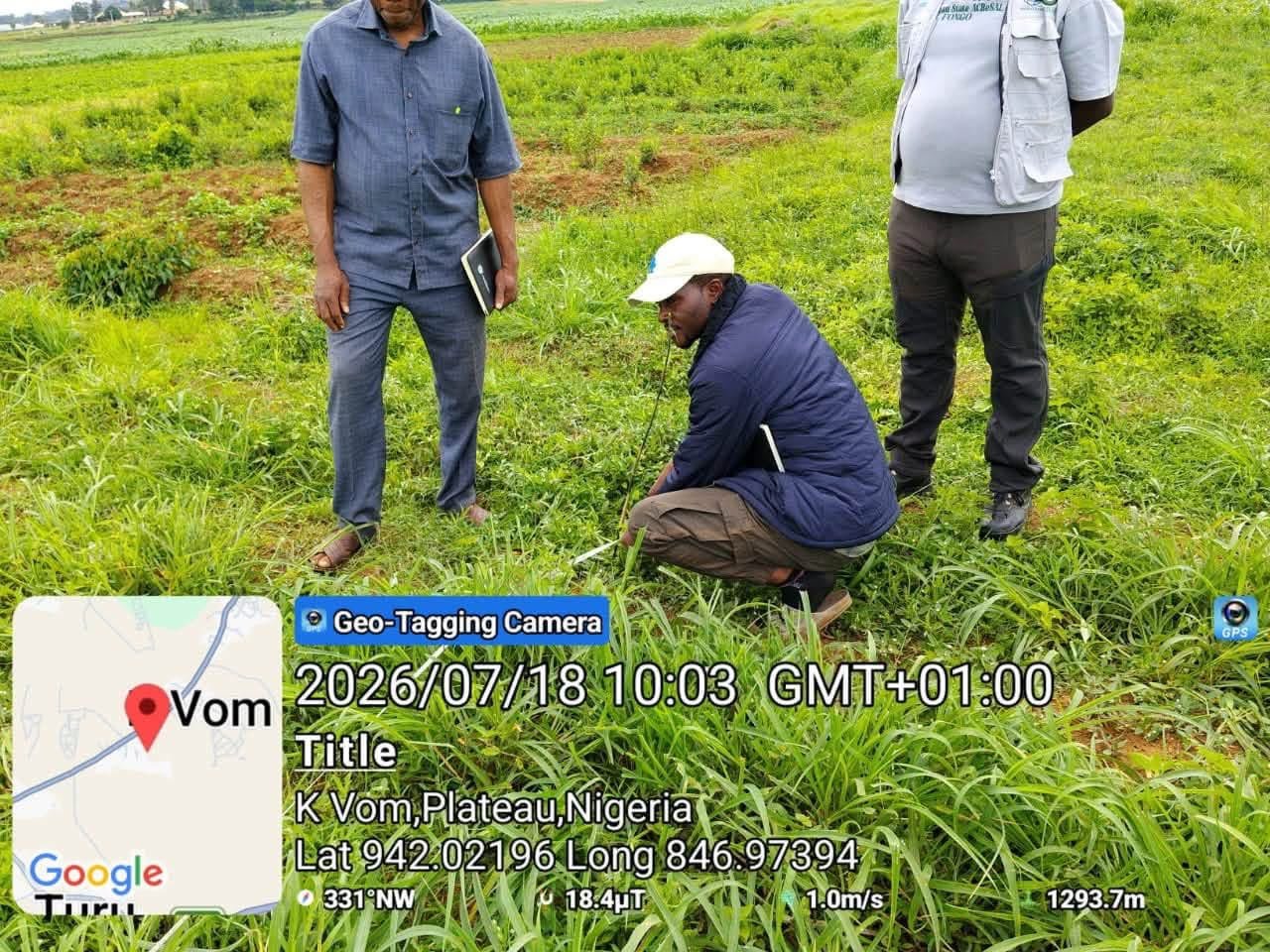
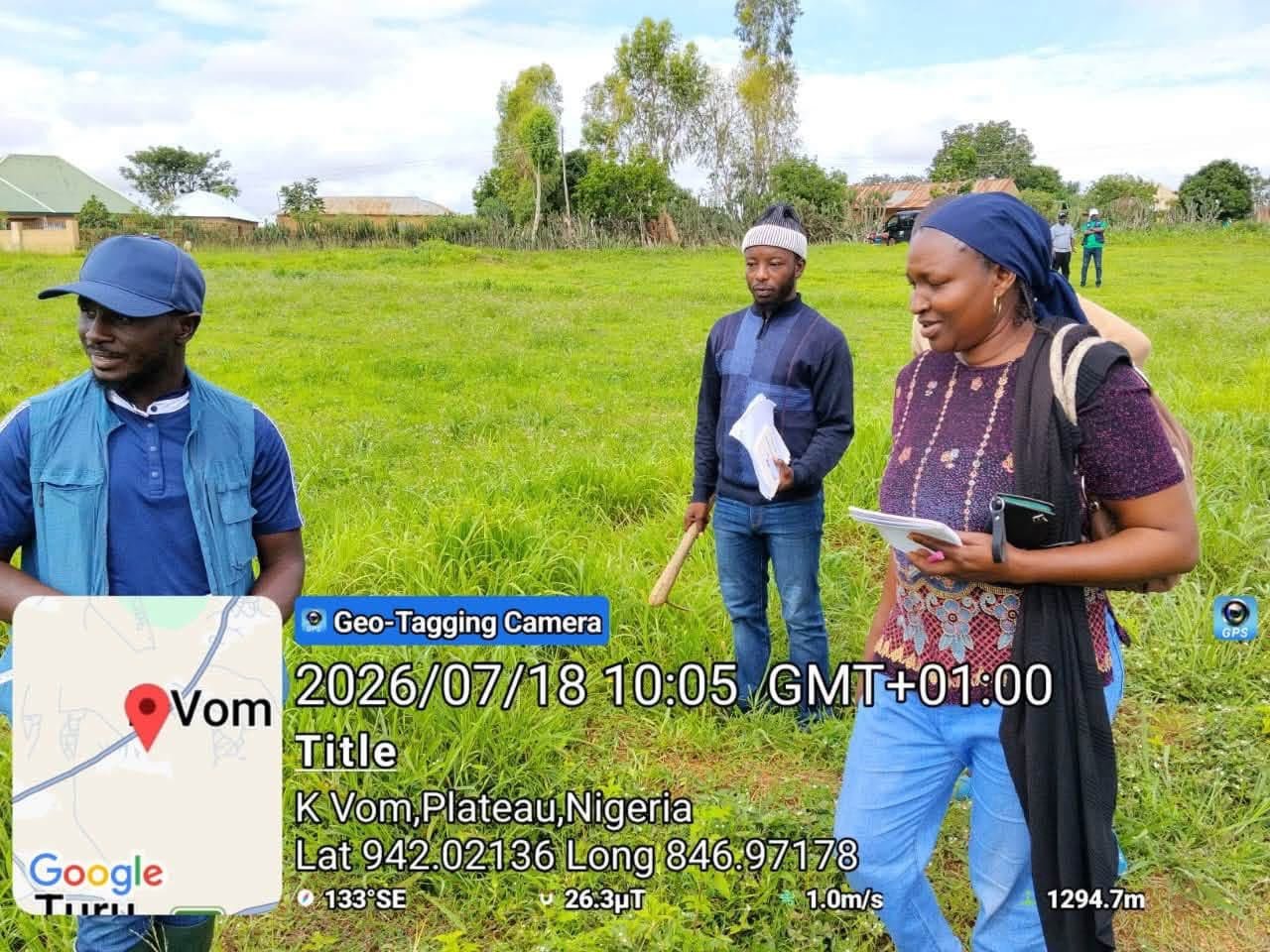
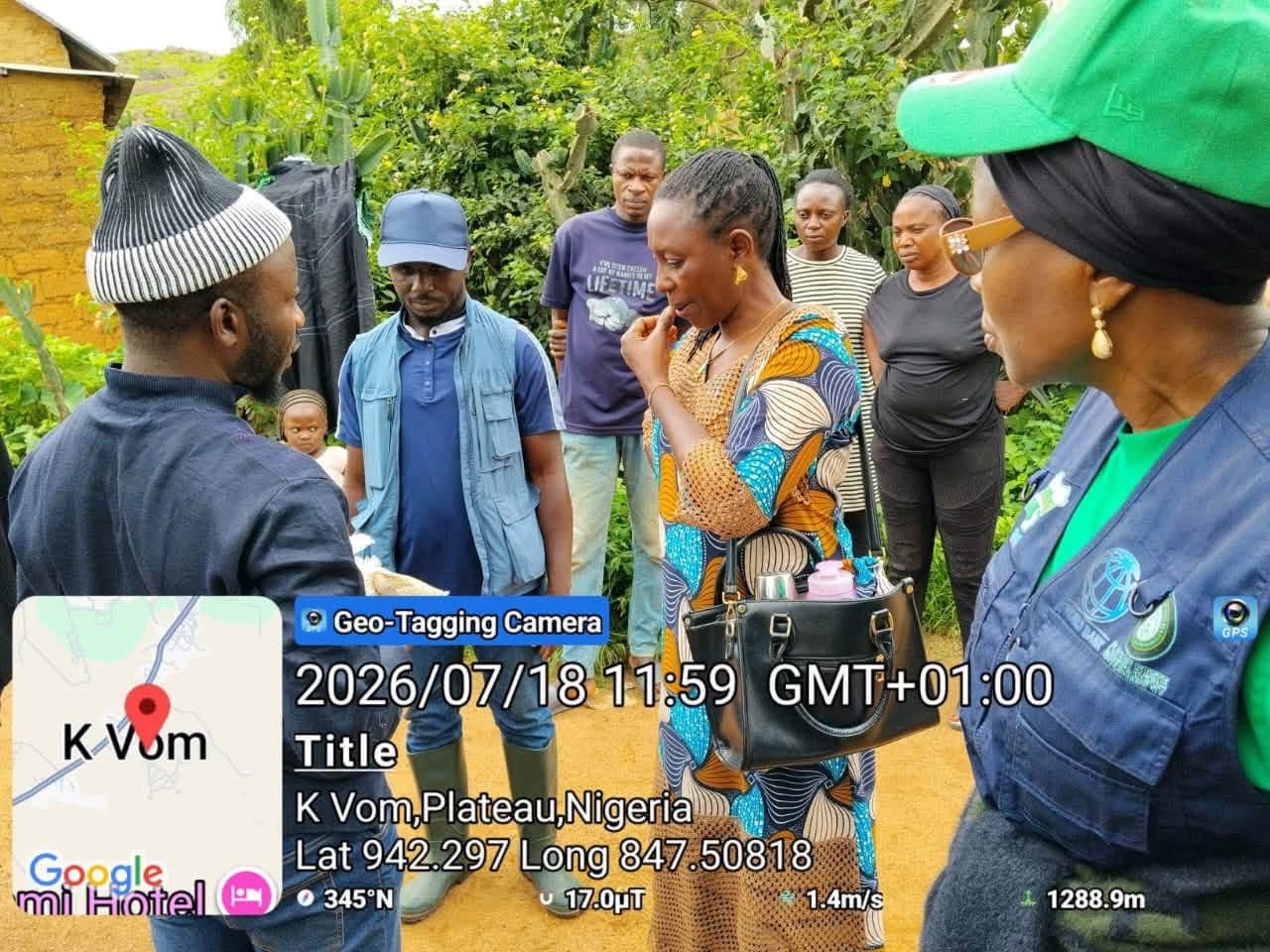
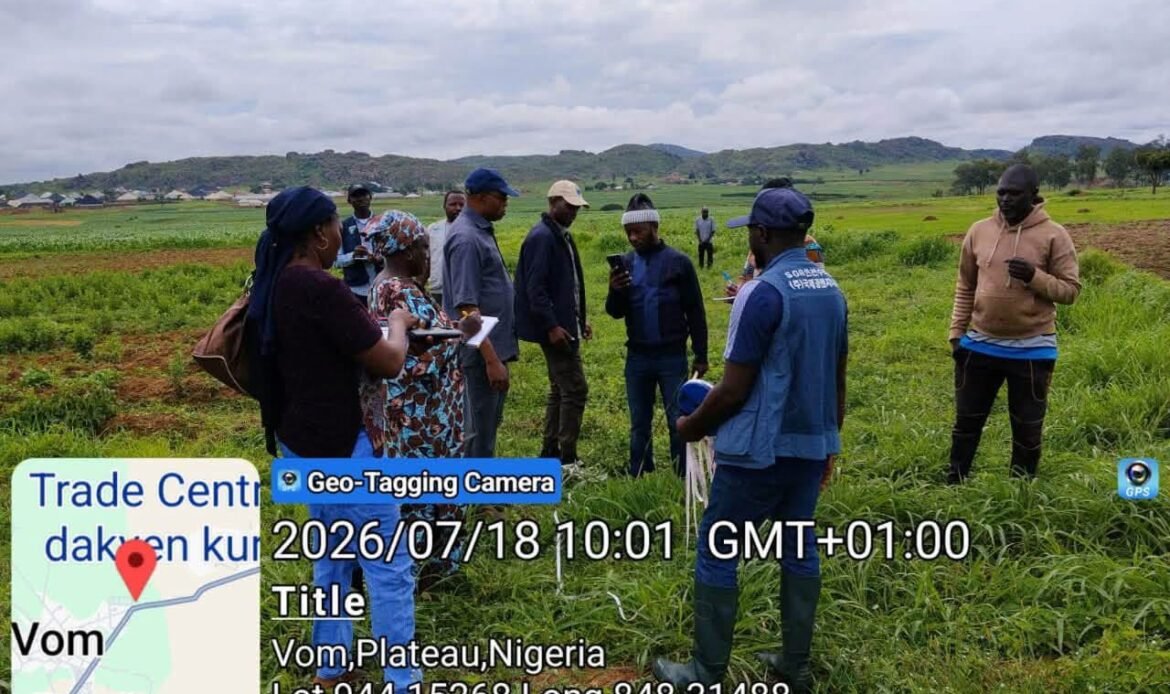
The training, held in fields in Langtang north and Jos South brought together agricultural extension officers, and other stakeholders who work directly with farmers in rural communities. The goal was simple but urgent: equip frontline workers with practical knowledge and skills to help farmers improve yields, protect natural resources .
Participants were introduced to modern climate-smart agricultural practices designed to increase productivity while preserving the environment. These included improved seedlings, efficient use of inputs, crop diversification, agroforestry, and other techniques aimed at building resilience in farming systems increasingly affected by drought, flooding and shifting rainfall patterns.
Facilitators from IITA emphasized that extension workers remain critical in translating agricultural innovations into everyday farming practices. According to them, no matter how advanced a technology may be, its impact depends largely on how effectively it is shared with farmers at the grassroots.
For many of the participants, the the field schools was more than a professional development exercise; it was a chance to acquire tools that could change lives in farming communities where climate stress has made agriculture increasingly unpredictable.
A Jos South extension worker, Madam Janet who described the session as timely, said the lessons would help her better guide farmers struggling with poor harvests and changing weather conditions. Others echoed similar sentiments, noting that many farmers in the state are eager for practical solutions that can help them farm smarter, not harder.
The ACReSAL initiative, backed by the World Bank and implemented in several states across Nigeria, is focused on restoring degraded lands, improving livelihoods and building resilience in semi-arid areas. In Plateau State, where agriculture remains a major source of income for many households, the push for climate-smart practices is expected to support both food security and rural development.
Kayode Yahaya team lead and IITA representative said the training would be followed by continued engagement and field-level support to ensure that the knowledge gained is effectively passed on to farmers. They expressed optimism that with better-trained extension workers, more farmers in Plateau State will adopt climate-smart methods and improve their productivity despite the challenges posed by climate change.
For communities that depend heavily on the land, the weekend training offered a sense of hope that with the right knowledge, support and partnerships, agriculture can still thrive even in an uncertain climate.
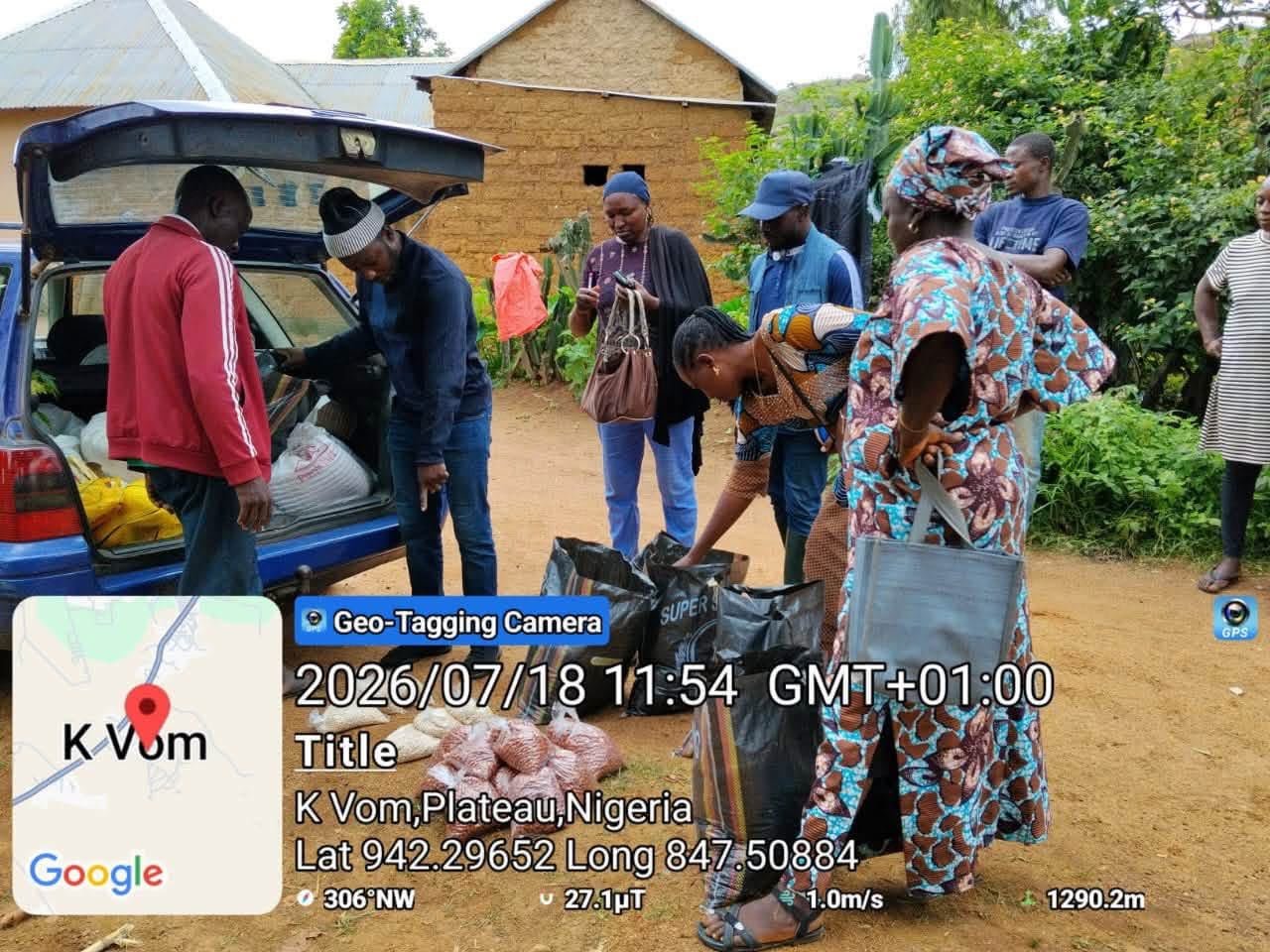
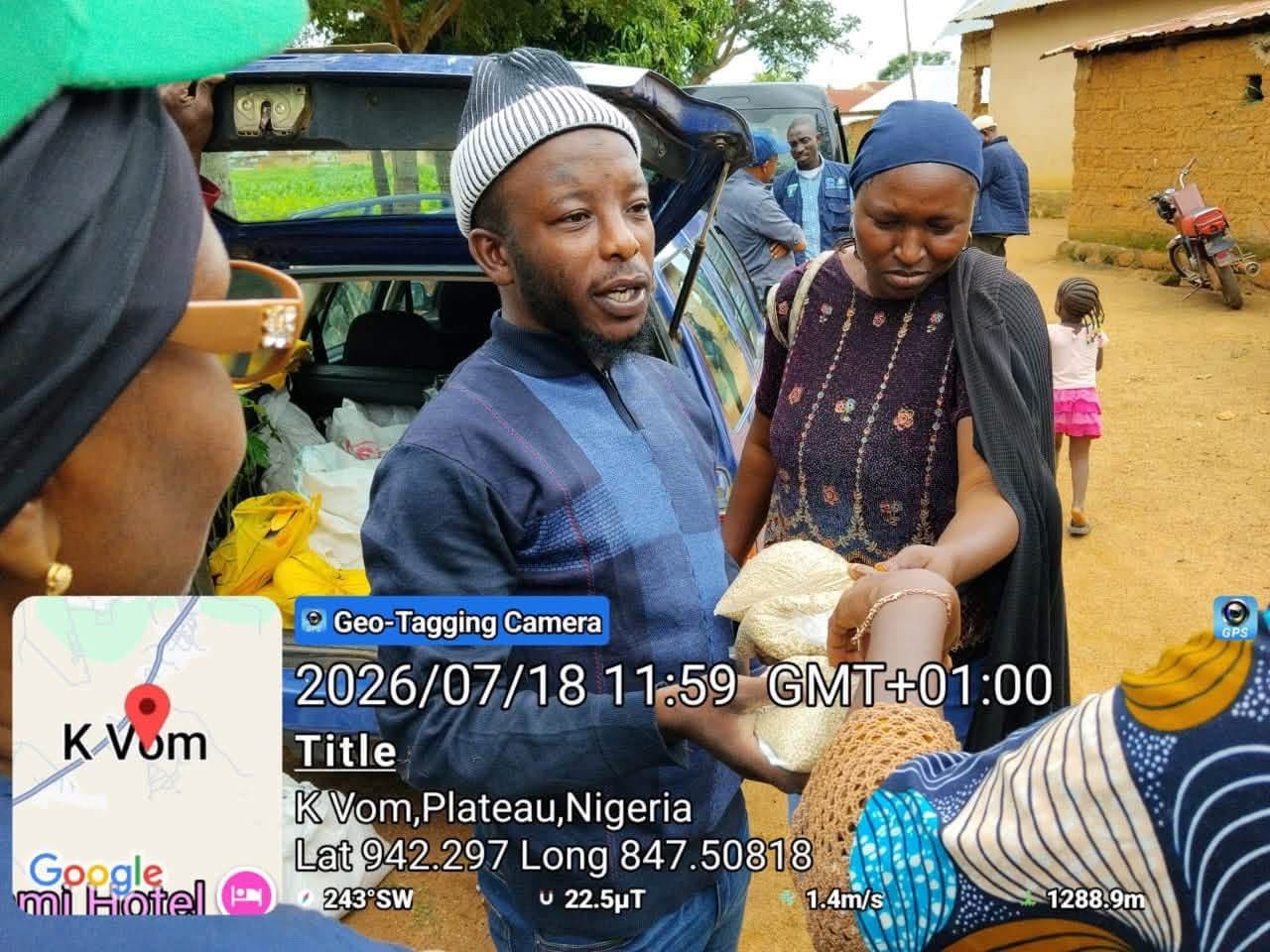
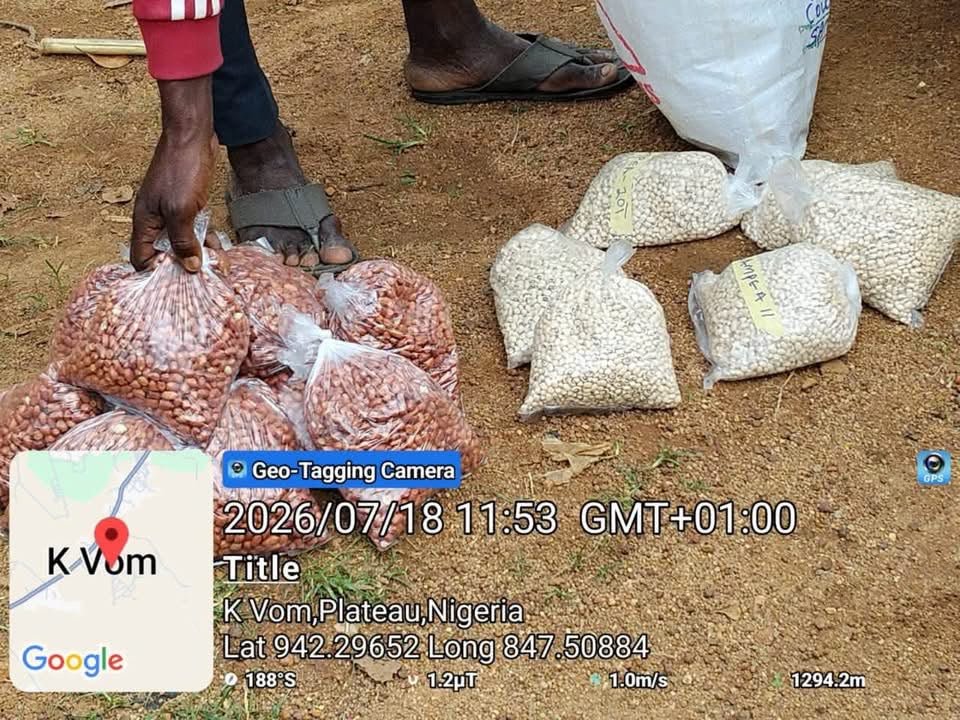
Highlights of the event was the distribution of improved seedlings to the Extension work.