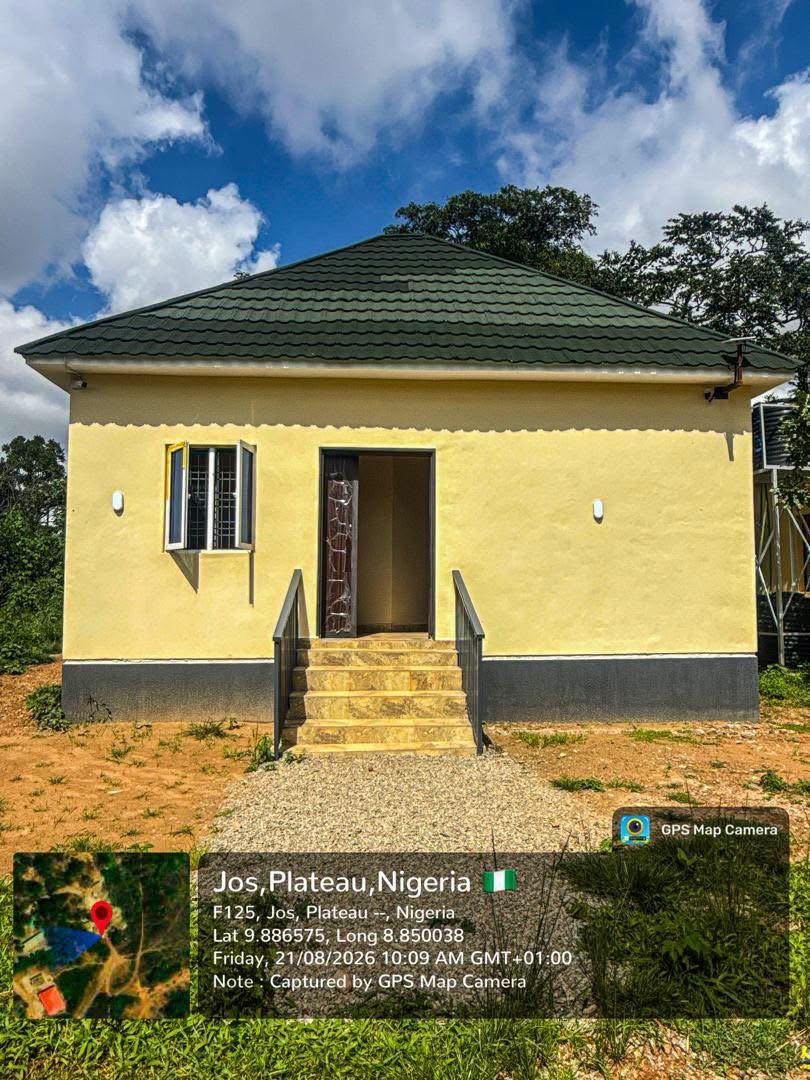
At Jos Wildlife Park, the work of protecting nature does not end when daylight fades.
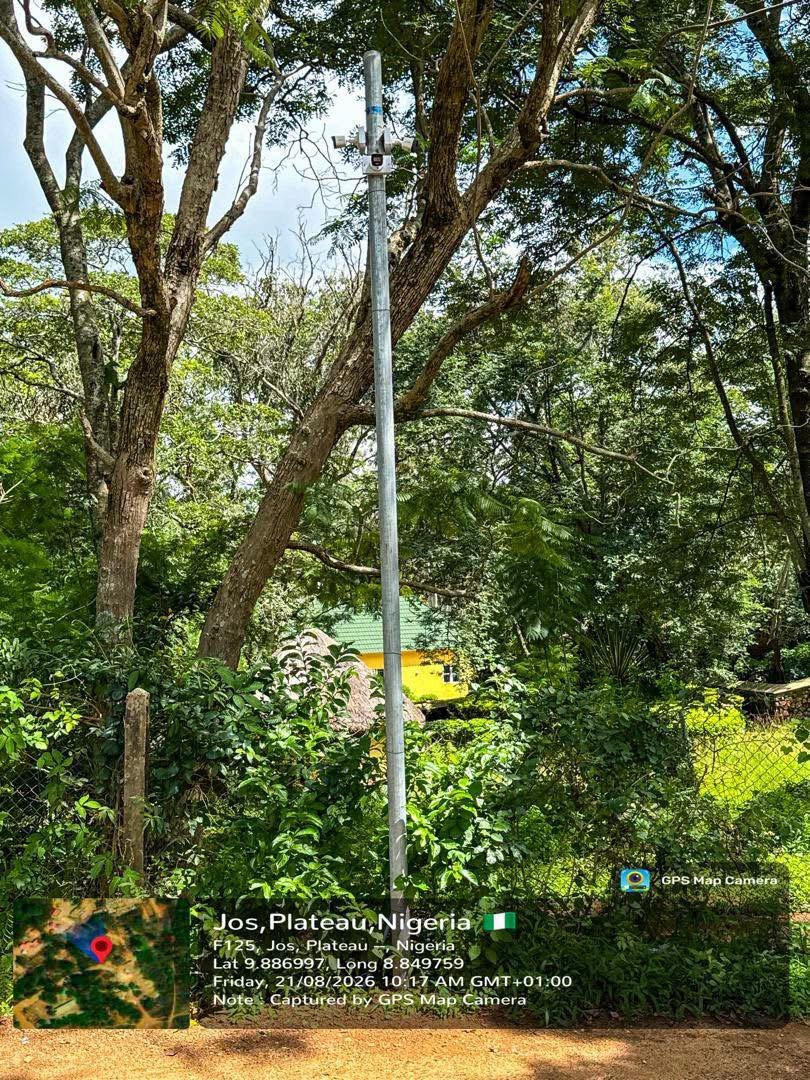
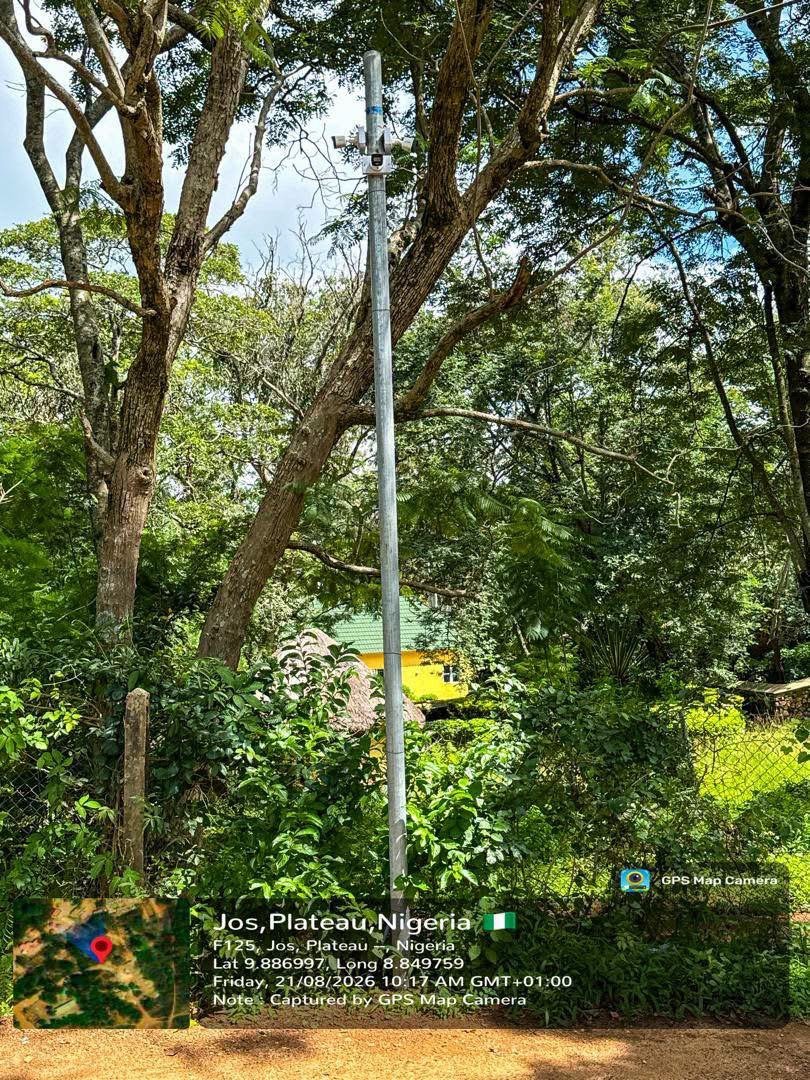
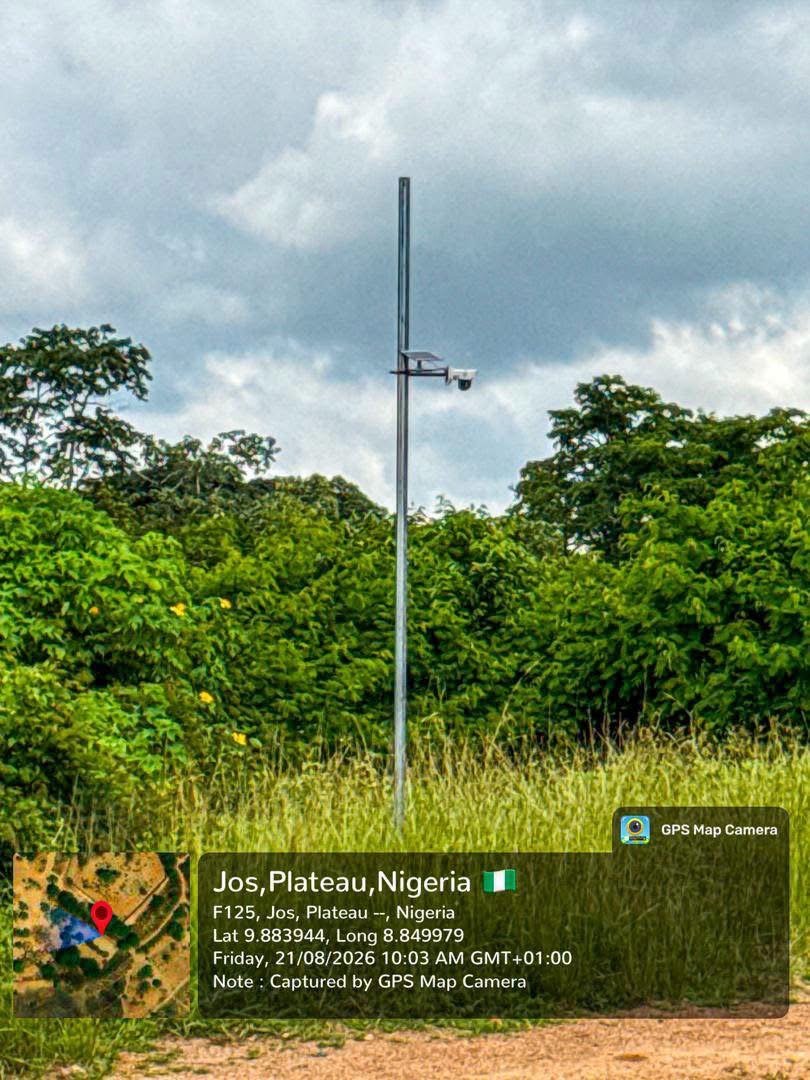
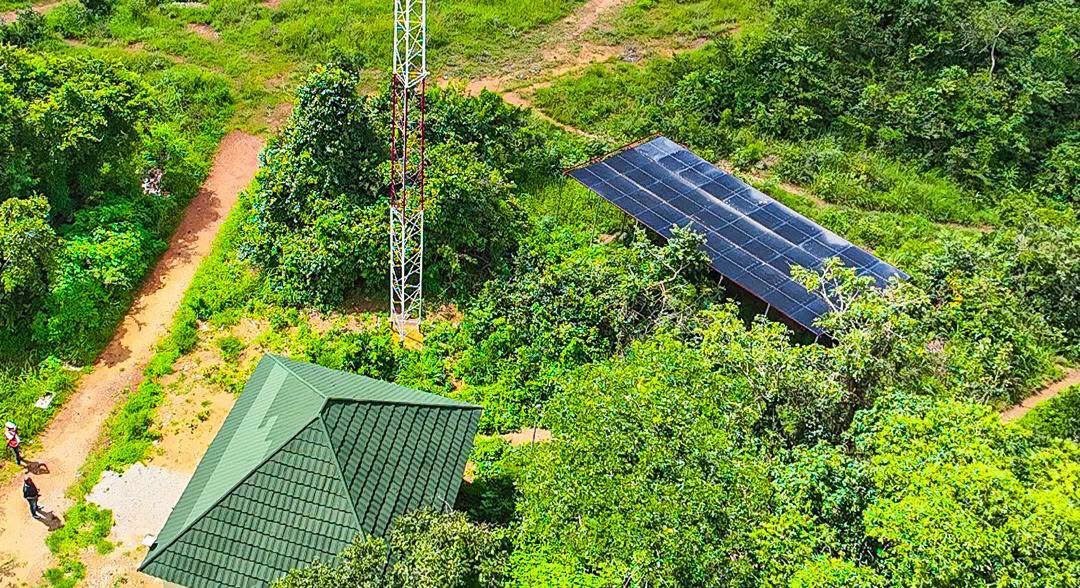
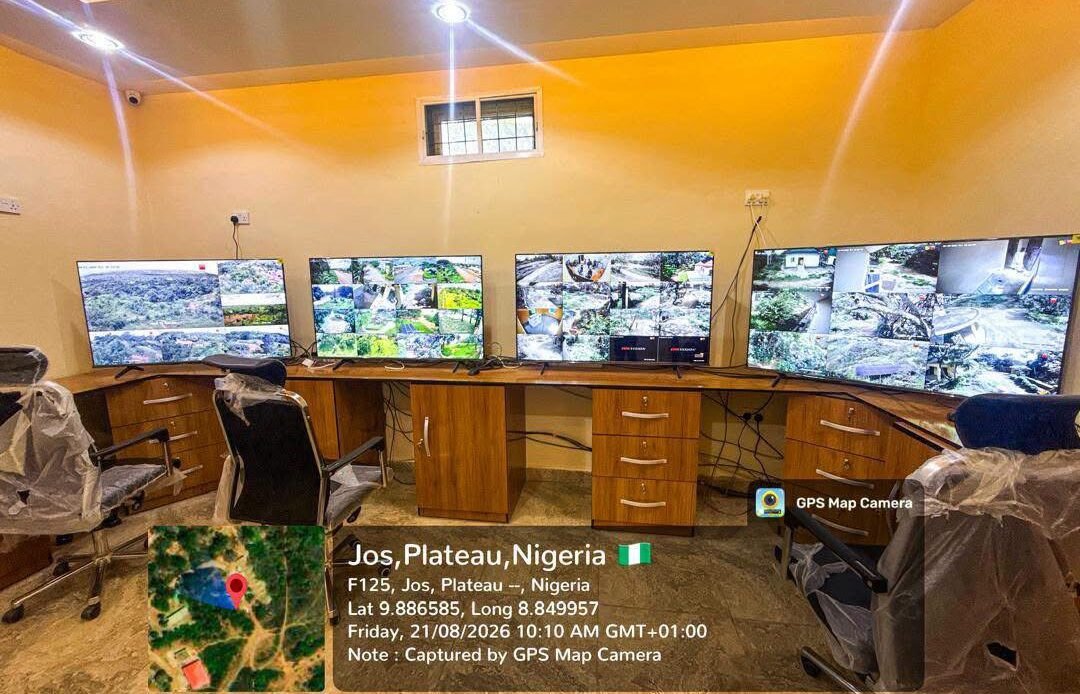
As visitors leave and the gates close, park personnel remain responsible for the animals, the vegetation and the facilities spread across the conservation area. In the past, keeping watch after dark depended largely on routine patrols and the ability of staff to move through difficult terrain. Today, a new intervention is helping to change that reality: a solar-powered closed-circuit television system installed through the Agro-Climatic Resilience in Semi-Arid Landscapes (ACReSAL) project.
The system is more than a collection of cameras mounted around the park. It represents an additional layer of protection for one of Plateau State’s important natural and recreational assets, while offering staff a better way to monitor activities within the park.
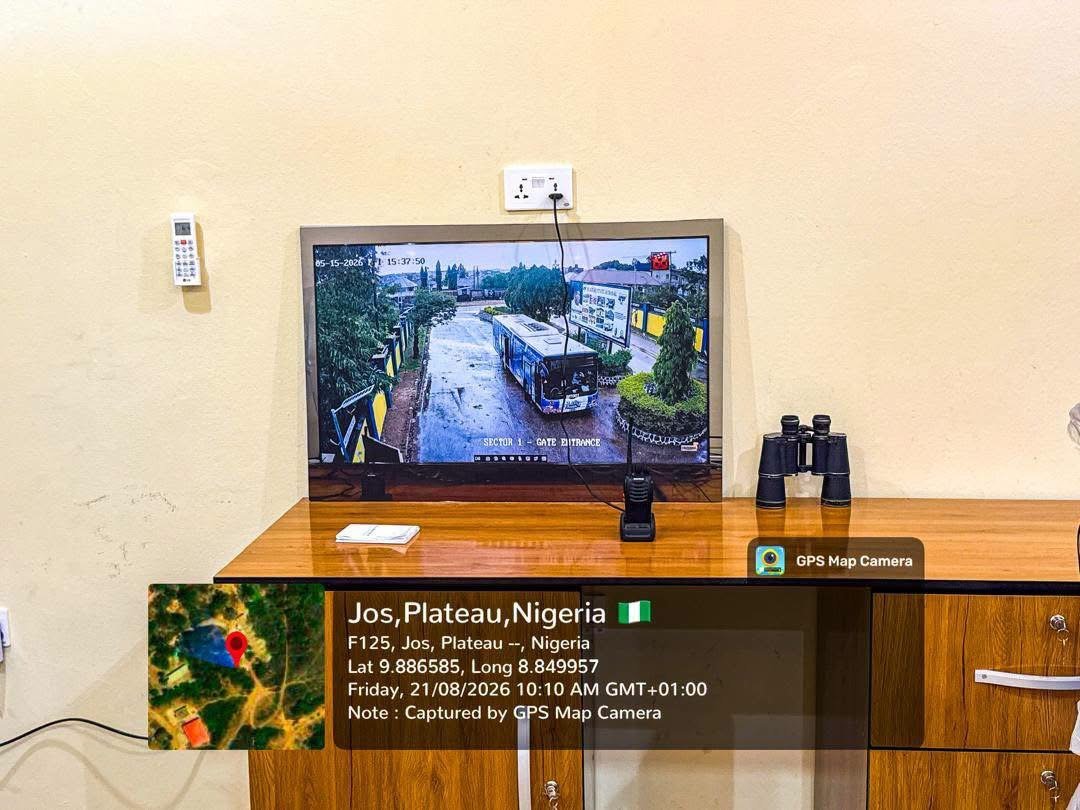
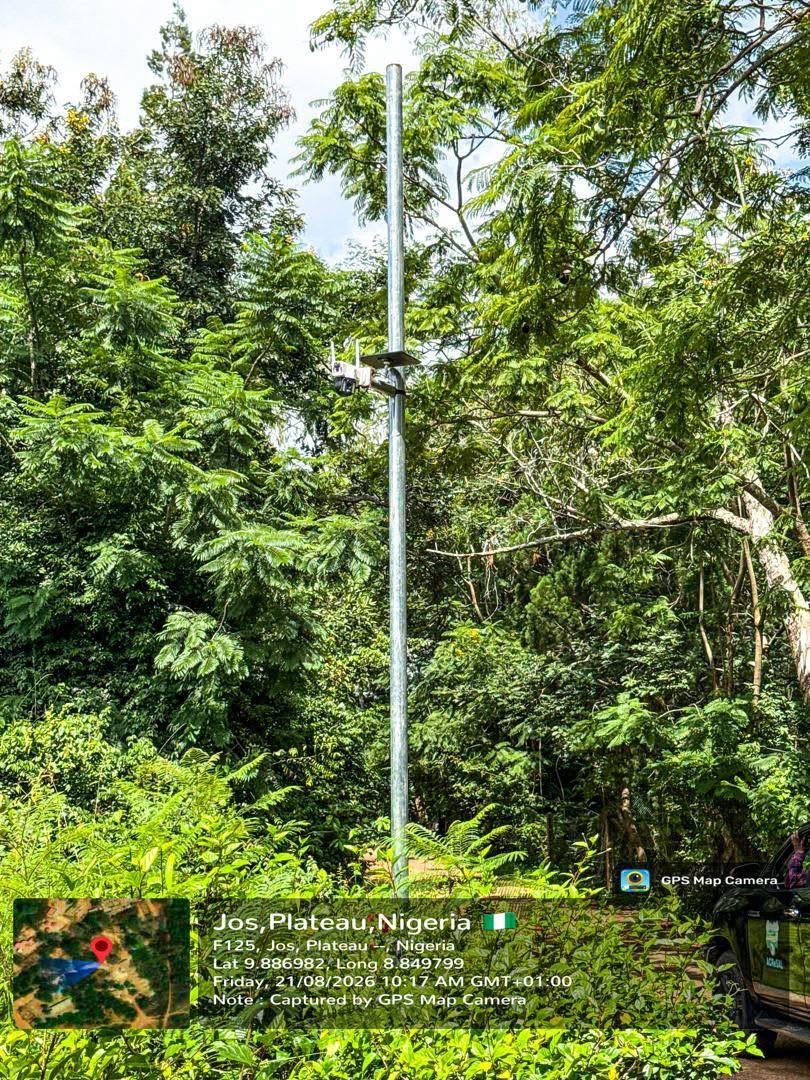
For rangers and other workers, surveillance can make a significant difference. The cameras enable personnel to observe strategic areas, identify unusual movement and respond more quickly to incidents. They also reduce the need for staff to physically patrol every location at all times, particularly during the night or in areas that may be difficult to access.
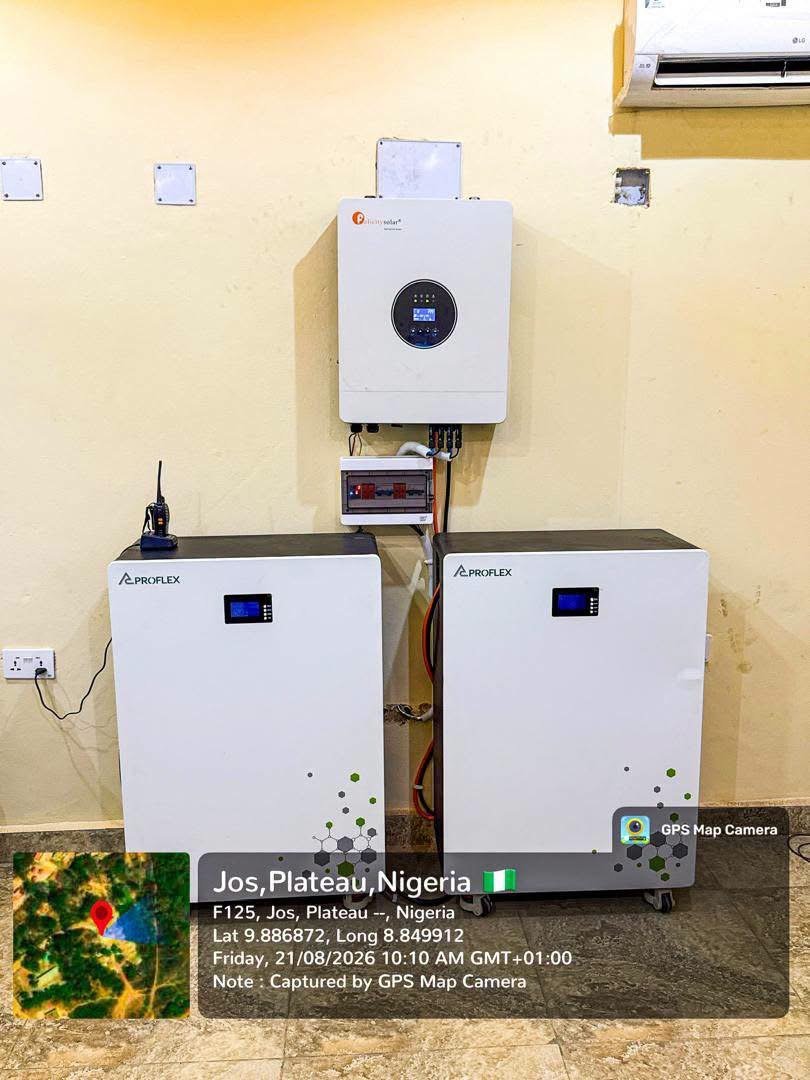
The use of solar power is especially important. Jos Wildlife Park, like many public facilities, requires dependable electricity to operate effectively. By drawing energy from the sun, the CCTV system is designed to remain useful even when conventional power supply is unavailable. The intervention therefore combines security with clean energy, making it suitable for a conservation environment where reducing dependence on fuel-powered generators is valuable.
The cameras are expected to support the protection of wildlife, discourage vandalism and improve general safety within the park. Their presence can also promote accountability, helping park managers understand what happens in different sections of the facility and plan their responses more effectively.
For visitors, the intervention offers reassurance. A wildlife park is not only a place to see animals; it is also a space where families, students, tourists and researchers should feel safe. Visible security infrastructure can strengthen public confidence and encourage more people to visit and appreciate the park.
That confidence matters because conservation depends partly on public connection. When people visit a wildlife park, they are given an opportunity to understand the value of animals, trees and natural habitats. Children, in particular, can encounter wildlife beyond textbooks and screens. A safe and well-managed park is more likely to attract visitors, generate revenue and build wider support for environmental protection.
The intervention also reflects a broader understanding of resilience. ACReSAL’s work is focused on strengthening communities and landscapes in the face of environmental and climatic pressures. At Jos Wildlife Park, the solar-powered CCTV contributes to that goal by supporting the management of a natural asset with technology that is less vulnerable to interruptions in grid electricity.
Conservation officers often work quietly, and their contribution may go unnoticed by the public. They monitor animals, maintain facilities, guide visitors and respond to threats. The new surveillance system does not replace their work. Instead, it gives them another tool, one that can extend their view and help them make quicker, better-informed decisions.
The intervention may also help protect the park’s infrastructure. Facilities such as gates, animal enclosures, walkways, offices and visitor areas require constant care. Damage to any of these can affect both safety and the park’s ability to serve the public. With surveillance coverage, incidents can be detected earlier and investigated more efficiently.
For Jos Wildlife Park, the solar-powered CCTV system is therefore both practical and symbolic. Practically, it strengthens monitoring and security. Symbolically, it signals a move towards modern, climate-conscious management of public conservation spaces.
The success of the intervention will ultimately depend on regular maintenance, responsible use of the equipment and continued support for the personnel who operate it. Cameras can observe, but trained people must interpret what they see and take appropriate action. Reliable maintenance will also ensure that the system continues to function long after its installation.
As the sun rises over the hills of Jos and visitors begin to return to the park, the cameras remain part of a quiet but important effort to safeguard the environment. Powered by sunlight, they watch over a place where wildlife, people and nature meet.
At the Jos Wildlife Park, technology is helping conservation workers keep that connection alive day and night.
#ACReSAL #PlateauState #JosWildlifePark #Conservation #SolarPower #GreenSecurity #ClimateResilience #EcoTourism #EnvironmentalProtection #CleanEnergy #WorldBankNigeria